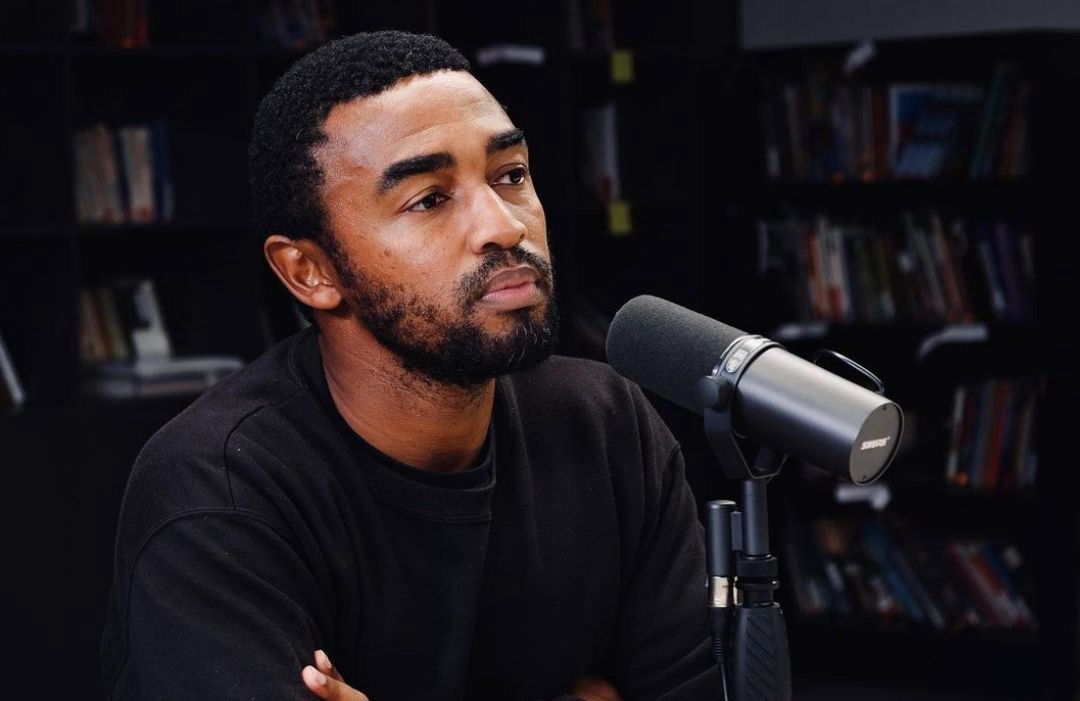
Social commentator Penuel Mlotshwa, popularly known as Penuel The Black Pen, has sparked widespread debate after publishing a lengthy social media post arguing that South Africans have become distracted by the ongoing debate around illegal immigration while numerous other pressing national issues continue to unfold.
Penuel contends that the country’s political and public discourse has become overwhelmingly focused on undocumented foreign nationals, causing other significant matters to receive far less attention than they deserve.
In his post, he listed a series of issues he believes South Africans should continue monitoring.
Among them is the impeachment process linked to President Cyril Ramaphosa and the Phala Phala scandal, which he argues remains one of the country’s most important unresolved political matters.
Penuel also raised concerns about reports that South Africa has exported weapons worth tens of millions of dollars to the United States, as well as the ongoing outbreak of Foot-and-Mouth Disease, which has resulted in the culling of thousands of cattle and significant losses within the agricultural sector.
Economic challenges also featured prominently in his comments. He noted that petrol prices have increased by approximately R7.80 per litre since the beginning of the year, while diesel prices have risen by around R10.70 per litre. He further pointed to electricity tariff increases of between 8% and 9% implemented during 2026.
The commentator also criticised what he described as growing international influence over South Africa’s economy. He referenced a meeting between Ramaphosa and investment giant BlackRock in Cape Town and alleged that the company holds significant shareholdings in major South African banks, including Standard Bank, FirstRand, Nedbank and Absa Group.
He further claimed that BlackRock has involvement in the management and consultation of funds linked to the Public Investment Corporation.
Penuel questioned why several high-profile corruption matters continue to dominate headlines without leading to arrests or convictions. He specifically referenced corruption allegations involving Hangwani Maumela and claims linked to the alleged looting of billions of rand from Tembisa Hospital.
He also argued that public attention has faded from several major criminal and corruption scandals, including the cases involving Thabo Bester, Nandipha Magudumana, the Gupta family, the Bosasa corruption scandal, the Arms Deal controversy, COVID-19 PPE procurement corruption, the Steinhoff International scandal and the foreign exchange manipulation allegations involving major banks.
The commentator further drew attention to Ramaphosa’s recent engagement with Emmerson Mnangagwa, where controversial Zimbabwean businessman Wicknell Chivayo was reportedly present.
He also questioned why public interest has seemingly faded regarding the case involving Cwecwe, which previously generated significant national attention.
Among policy issues, Penuel highlighted the implementation of the National Health Insurance (NHI), the BELA Act, expropriation without compensation, digital identity systems and internet regulation laws.
In the private sector, he criticised Pick n Pay, alleging that former Score supermarket franchisees had been negatively affected following ownership transitions.
Public health concerns also formed part of his argument. He noted recent reports involving Ebola and Hantavirus cases globally, while questioning the level of concern shown locally.
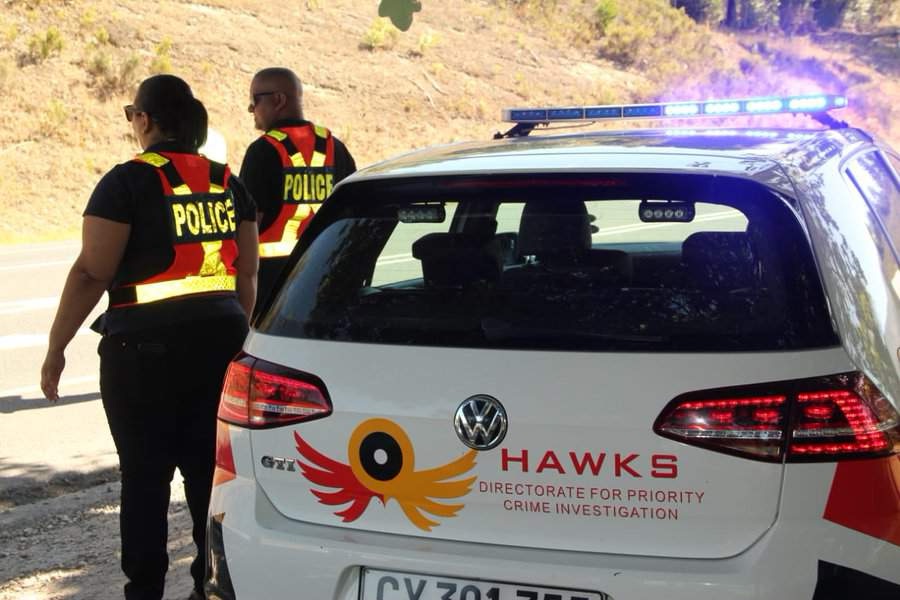
Penuel further pointed to major drug seizures recorded in recent months, including reports of narcotics worth approximately R1 billion intercepted near the Zimbabwe-South Africa border, cocaine consignments valued at R36 million and R13 million, and a R200 million drug bust from 2025 that he claims remains unresolved.
On employment and crime, he highlighted youth unemployment rates estimated between 40% and 60%, depending on the age category, as well as estimates suggesting there could be between 30,000 and 120,000 illegal miners operating across South Africa.
He also referenced claims that approximately 35,000 spaza shops are owned by foreign nationals and questioned the long-term economic impact of such ownership patterns.
Environmental and investment concerns were also raised. Penuel criticised the decision by Anglo American to relocate aspects of its business away from South Africa, arguing that historical environmental rehabilitation issues remain unresolved.
He further highlighted ongoing water challenges in Hammanskraal, where some residents continue to experience access problems to safe drinking water.
Penuel also noted that thousands of Afrikaners have reportedly relocated to the United States in recent years under refugee programmes, another issue he believes has received insufficient public discussion.
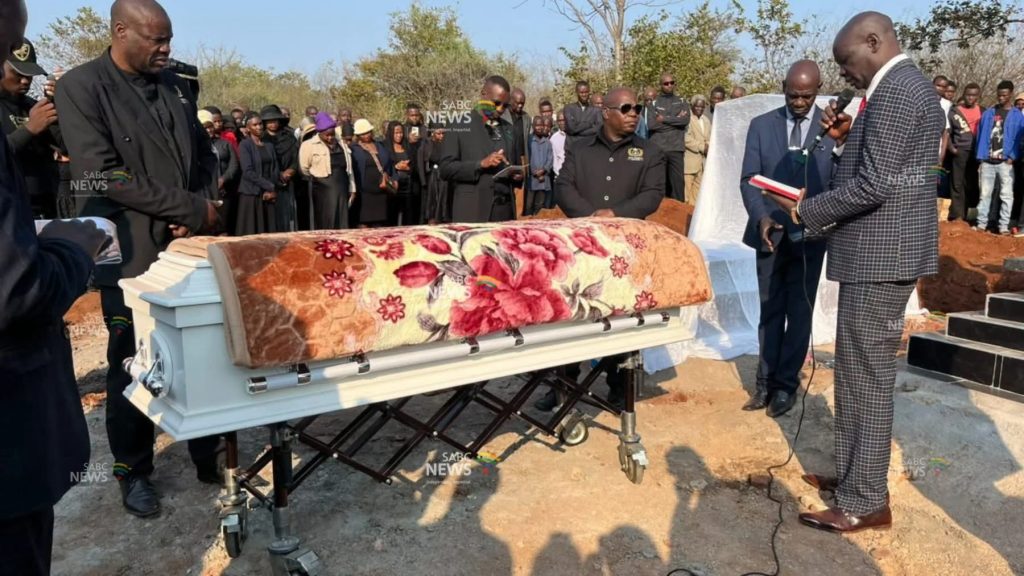
Concluding his post, he paid tribute to several deceased South Africans, including DJ Warras, AKA, DJ Sumbody, Babita Deokaran, Marius van der Merwe and several others whose deaths have been linked to crime, corruption investigations or unresolved circumstances.
The post has generated extensive discussion online, with supporters agreeing that South Africans should focus on a broader range of national issues, while critics argue that illegal immigration remains a legitimate concern that deserves significant public attention.
Whether one agrees with his views or not, Penuel’s comments have reignited debate about what issues should dominate South Africa’s national conversation and whether the country is paying enough attention to the many challenges unfolding simultaneously.