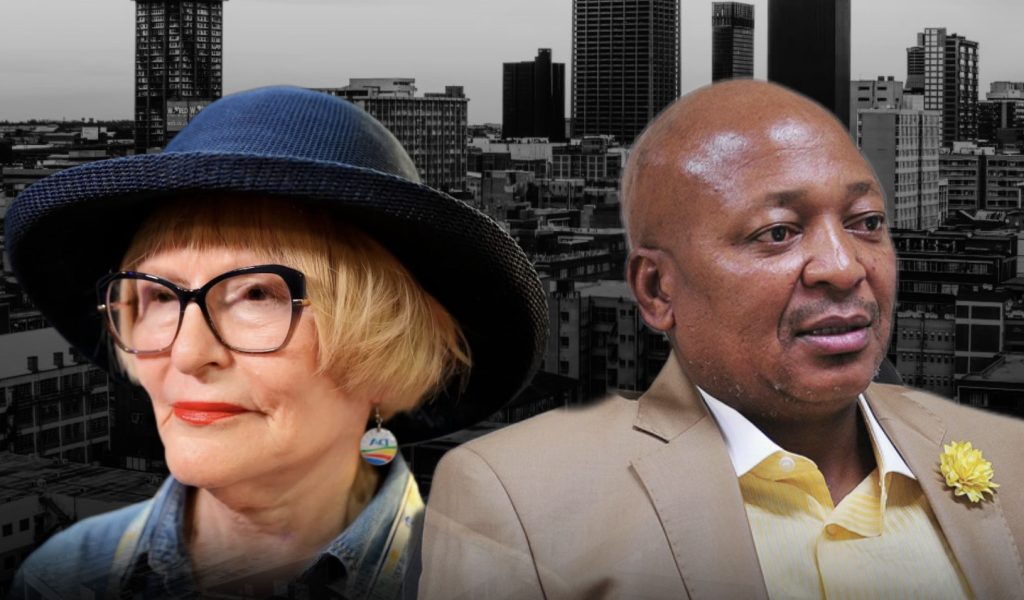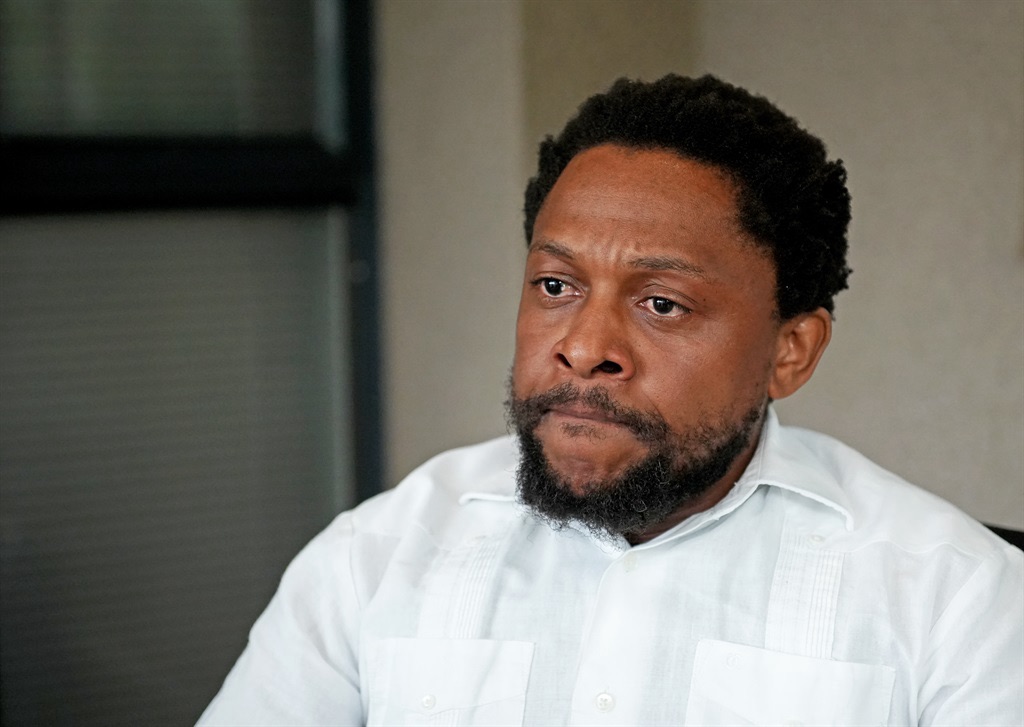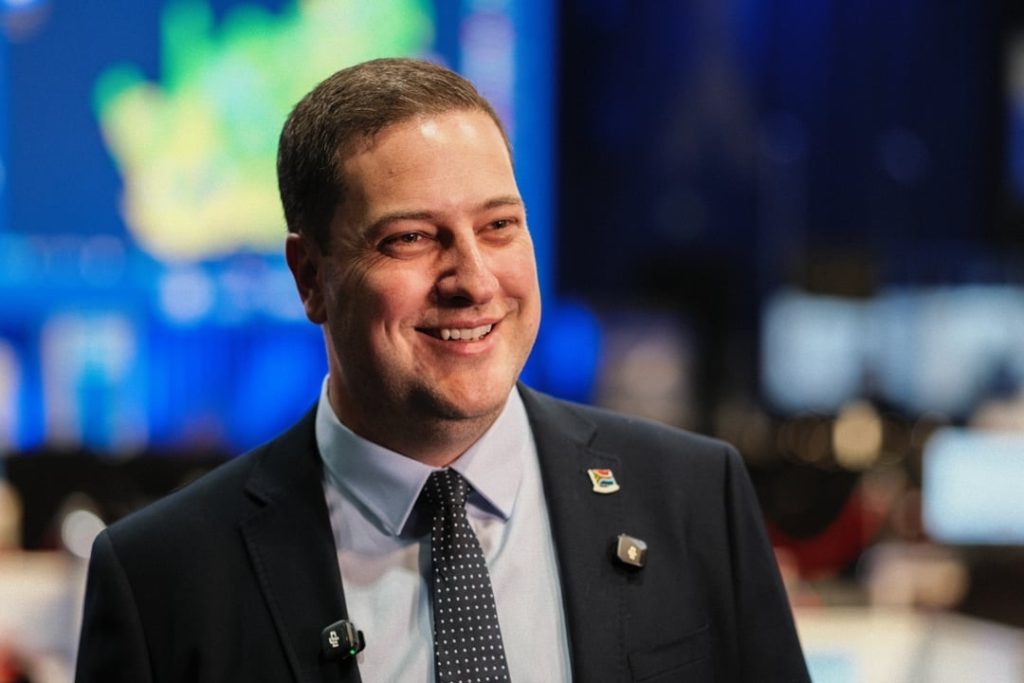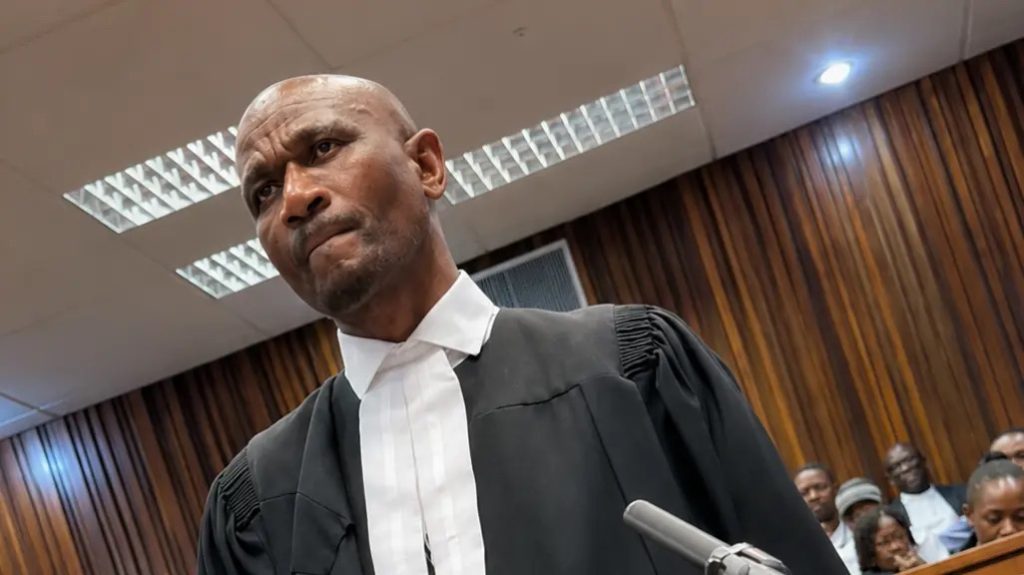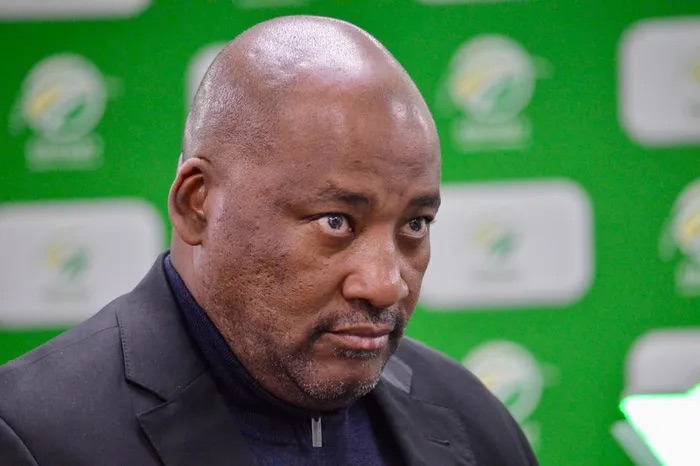
Patriotic Alliance (PA) president Gayton McKenzie has admitted that he personally despises the Democratic Alliance (DA), but says his party is prepared to work with it in coalition arrangements if that is what the PA leadership decides.
McKenzie made the remarks during a media briefing at the IEC’s national results centre in Midrand, where he addressed the party’s approach to coalition negotiations following the 2026 local government elections.
“We don’t like the DA, let me be frank. I don’t like them, I actually despise them. But we will work with them because it’s not about me, it’s about the leadership of the PA. What the leadership decides on Monday, we will work with anyone,” he said.
He added that the PA would be prepared to work with even parties whose political positions differ significantly from its own, saying the decision would be guided by the interests of its supporters.
“If the AWB still existed, we would’ve worked with them because it’s about our people,” McKenzie said.
The PA leader also addressed criticism that he and party deputy president Kenny Kunene were primarily interested in obtaining political power.
McKenzie acknowledged that politicians seek power, but argued that the PA wanted to use it to improve people’s lives.
“People are telling you McKenzie and Kunene just want power. What do they want? Let’s start there. They want sweets? What are they here for? They don’t want power, then they must go play bingo at the old age home,” he said.
“Because all of us on that board, we are vying for power. So don’t let people lie to you. Politicians love power. We want power to change lives, we want power to give people jobs and make sure they stop living in backyards. So PA are just very honest.”
McKenzie’s comments signal that personal disagreements with the DA will not necessarily prevent the PA from entering coalition arrangements with the party. He said the PA leadership would determine its position at a meeting scheduled for Monday.
The remarks come as political parties prepare for coalition negotiations in councils where no party has secured an outright majority.