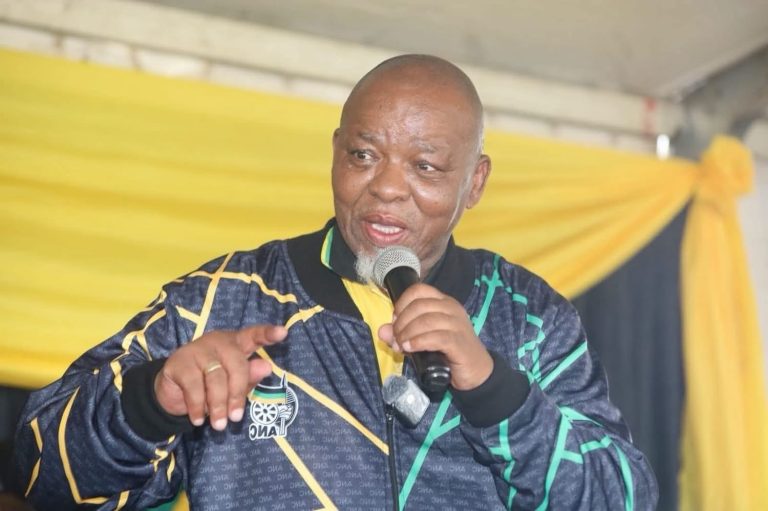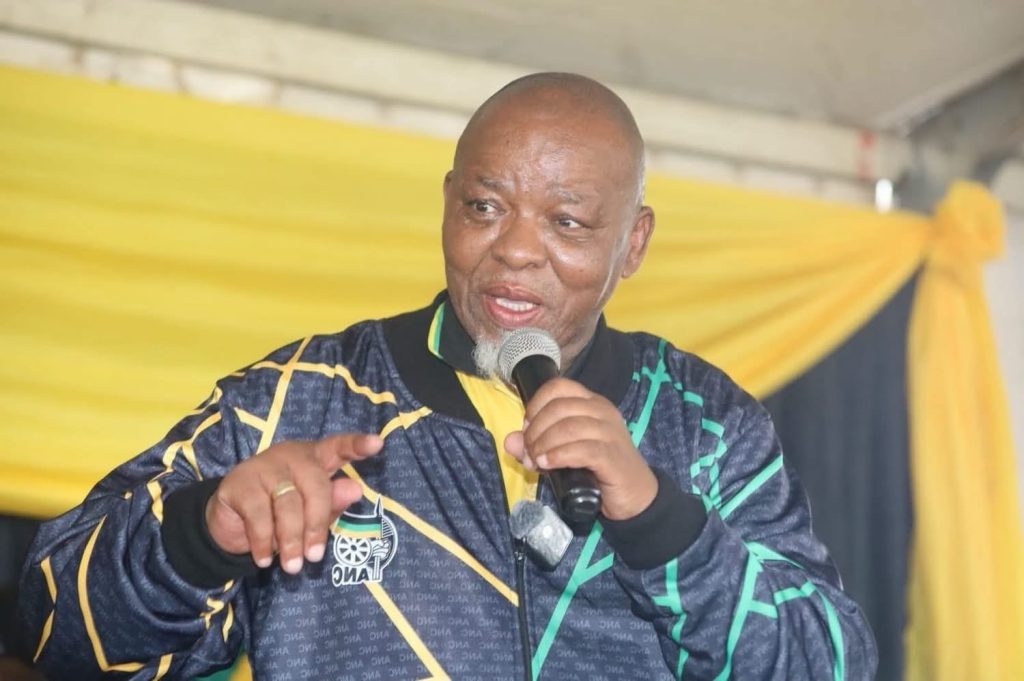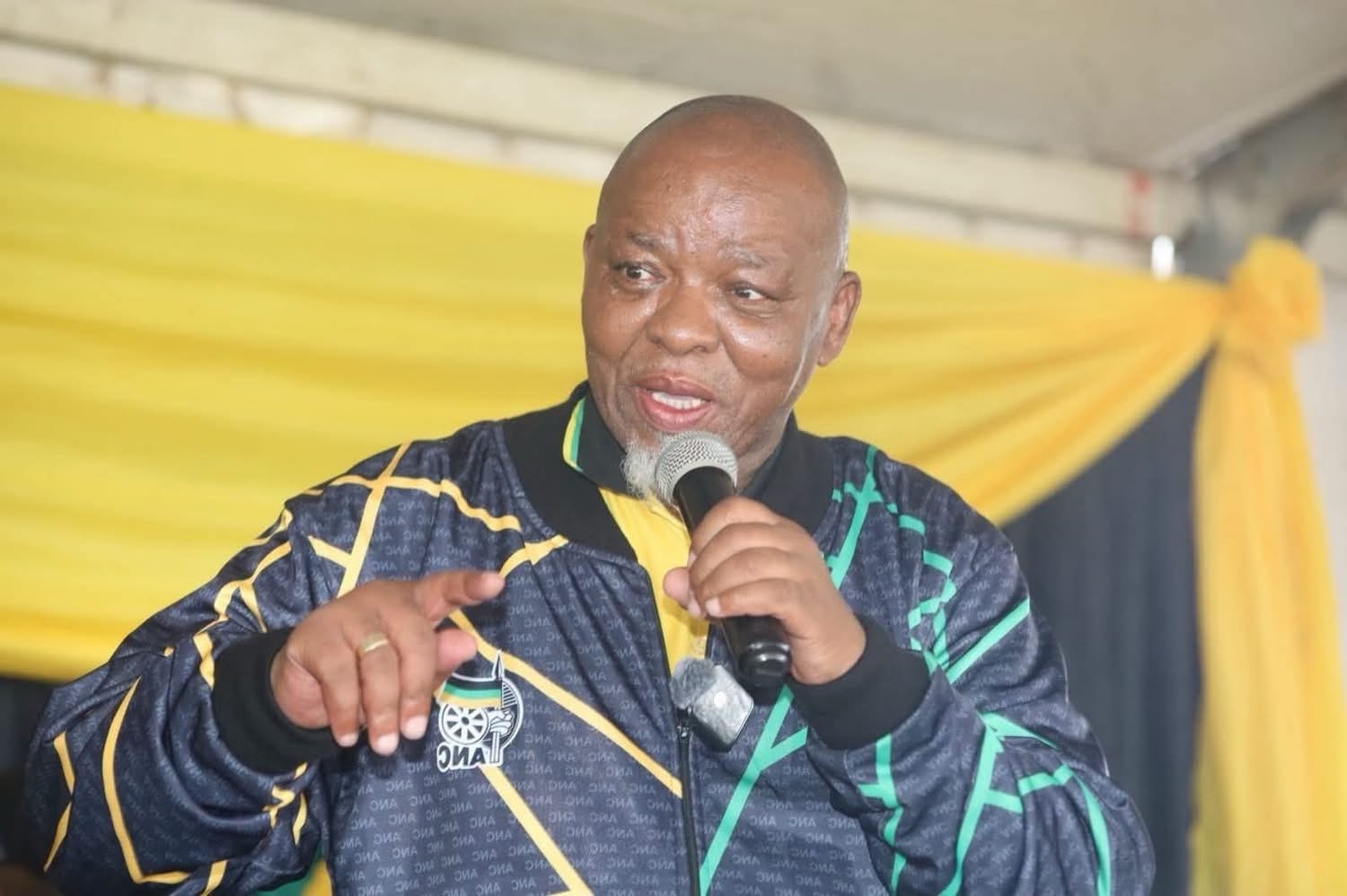
African National Congress (ANC) national chairperson Gwede Mantashe has expressed a preference for campaigning in rural communities, saying elections should not be judged solely by the party’s performance in metropolitan municipalities.
Mantashe made the remarks while responding to a journalist who asked what the ANC was doing to lose support in metropolitan areas, particularly among urban voters, during the 2026 Local Government Elections.
He used his upbringing in Cala in the Eastern Cape to illustrate his point, saying the area had nine wards, all controlled by the ANC.
“Election must never be about metros. I grew up in Cala and it’s not a metro, it has nine wards, all of them are controlled by the ANC. We don’t pay attention to rural municipalities, which is actually my passion. I normally campaign in rural areas. I enjoy it because it gives you results. People there are genuine, what you see is what you get,” Mantashe said.
He went on to describe urban voters as having higher expectations of government, arguing that providing one basic service does not necessarily translate into electoral support if other services remain inadequate.
“In the cities you must do more. When you give them a house, they say, ‘But there’s no electricity,’ we won’t vote for you. You give them electricity, they say there’s no water, it’s not consistent, they don’t vote for you,” he said.
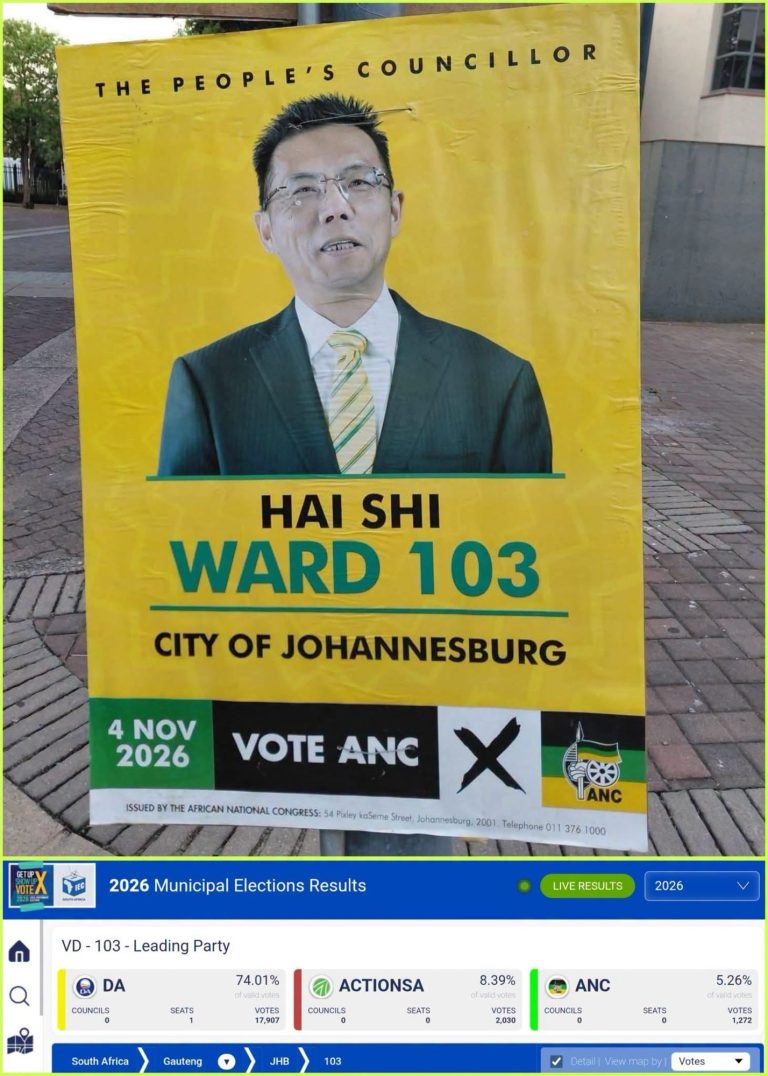
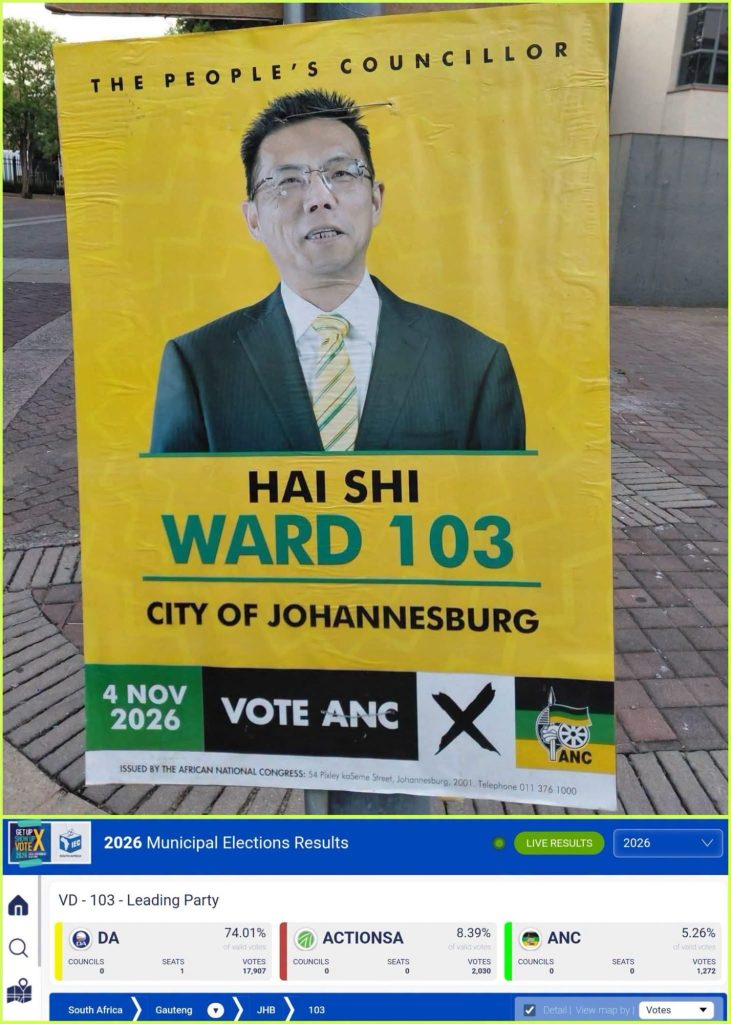
His comments come as the ANC faces significant electoral challenges in major metropolitan municipalities, where voters have increasingly turned to opposition parties.
An analysis published by SABC News ahead of the elections also highlighted differences in urban and rural voting patterns, pointing to service delivery expectations, access to political alternatives and the ability of residents to hold municipalities accountable as factors influencing voting behaviour.
The ANC’s performance in the 2026 elections has renewed questions about its ability to retain support in urban centres, while the party continues to draw significant support from several rural communities.