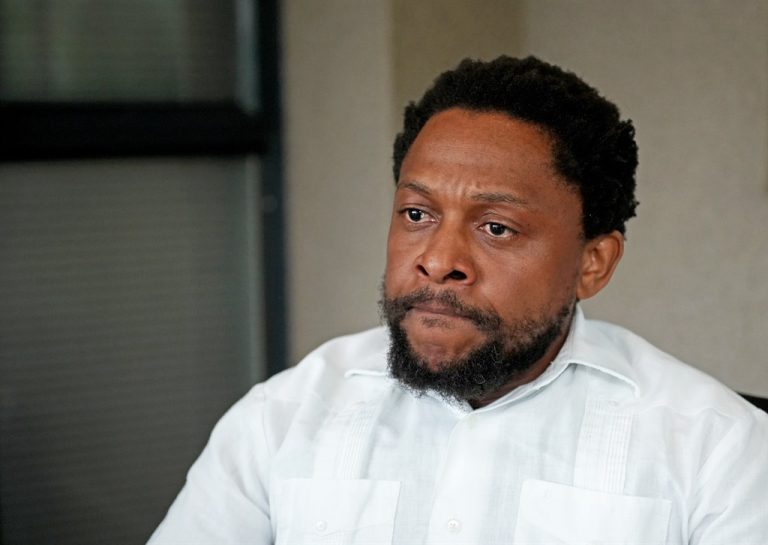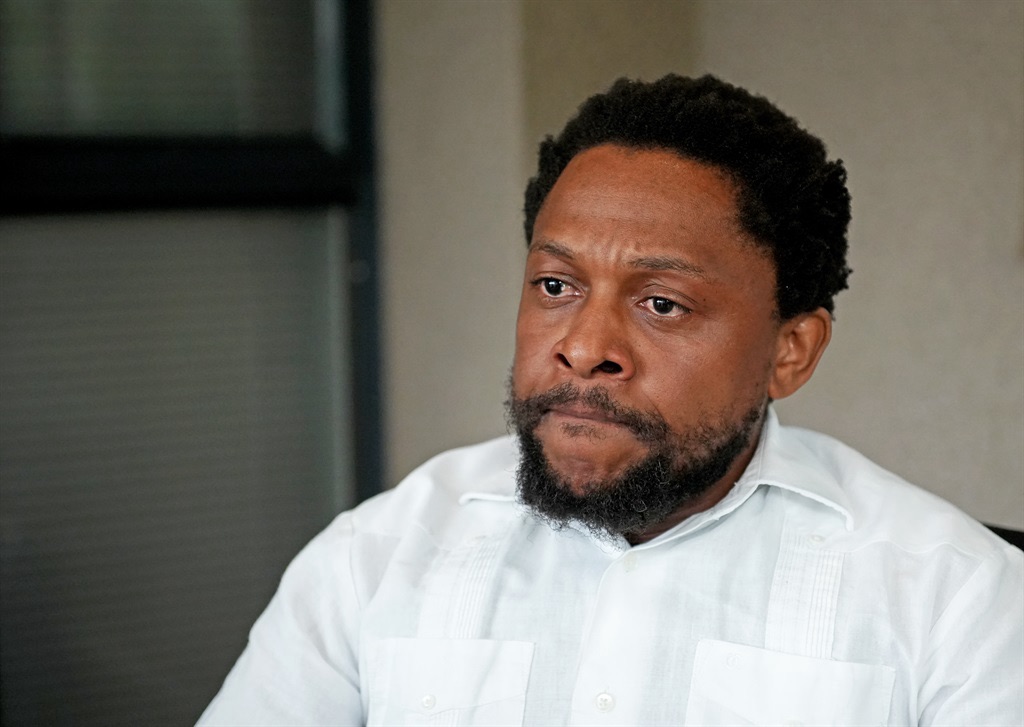
Former Economic Freedom Fighters (EFF) secretary-general and Member of Parliament Dr Mbuyiseni Ndlozi has sparked debate after revealing that he did not cast a ballot in the 2026 Local Government Elections.
Speaking to Lungelo KM on SABC1’s The Daily Thetha, Ndlozi said his decision was driven by frustration over what he described as growing divisions among black South Africans and the increasing number of political parties competing for support.
“I couldn’t vote. I am very unhappy with the conduct of black people in South Africa. I don’t understand why we’ve accepted to be so atomized because we’re not going to achieve anything,” he said.
Ndlozi questioned the proliferation of political parties, arguing that the fragmentation of black political support would make it difficult to address the country’s challenges.
“Problems such as poverty, unemployment and inequality are not going to be resolved by this ‘political party entrepreneurship’ that was displayed yesterday. These people are business people who are using politics for personal gain,” he said.
He also compared the number of political choices available to black voters with what he described as the limited choices available to white voters.
“My difficulty is the ‘600’ black political parties while white people only have two choices. So now we have to vote for people who have already had a chance but they have not made any change. I can’t participate in the further division of black people,” Ndlozi said.
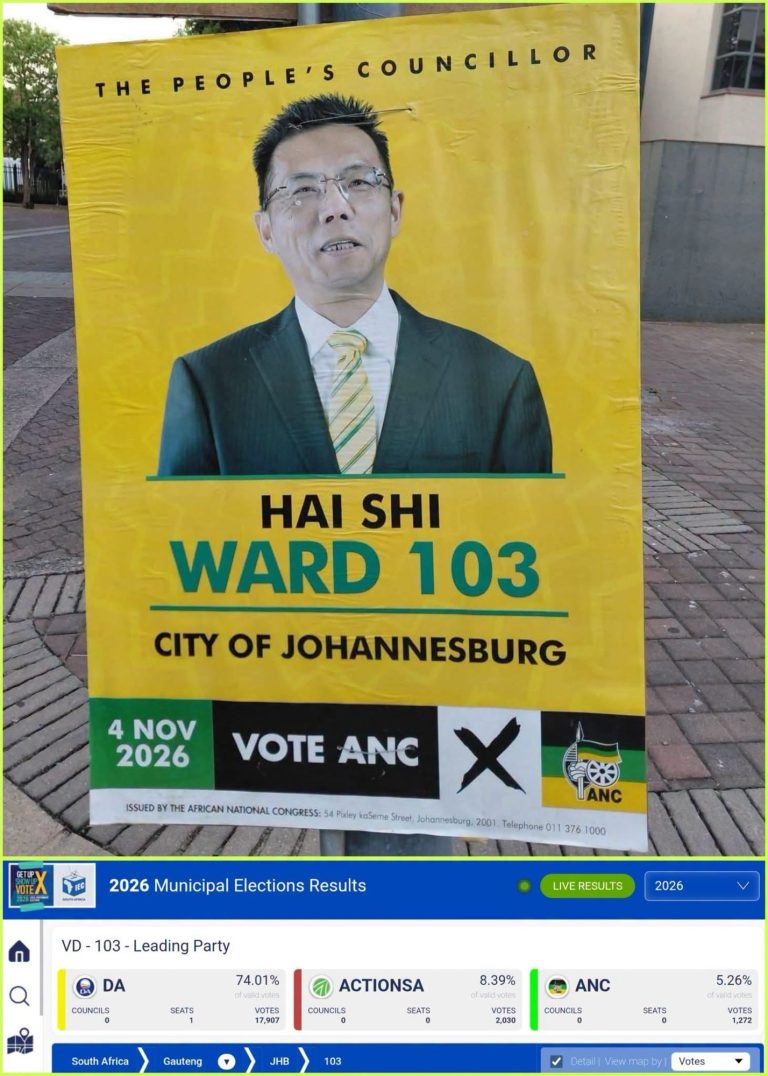
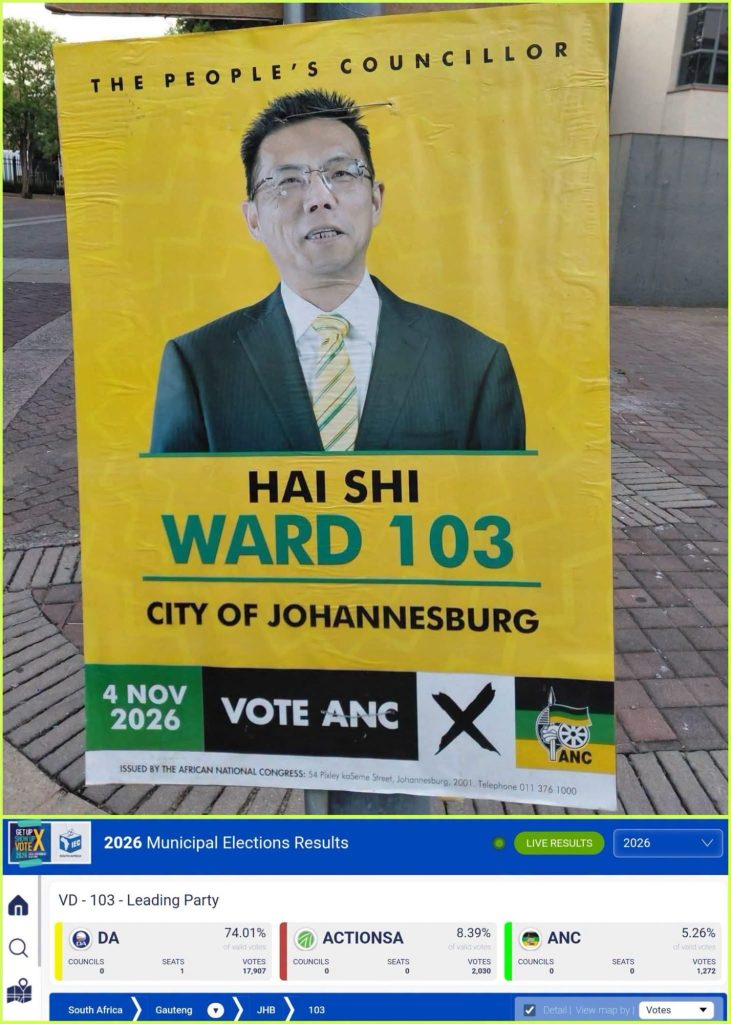
His comments come amid renewed debate about the fragmentation of South Africa’s political landscape. According to reporting by TimesLIVE, 732 political parties were registered with the Electoral Commission of South Africa, with 546 contesting the 2026 local government elections.
Ndlozi also criticised coalition politics, arguing that political parties had failed to cooperate effectively and that their internal competition was preventing them from addressing the country’s problems.
He said he believed civil society initiatives could provide an alternative way of bringing communities together, adding that he had no interest in establishing another political party.