March and March leader Jacinta Ngobese-Zuma has taken aim at the Economic Freedom Fighters (EFF) and other political parties following the 2026 Local Government Elections, celebrating what she described as a rejection of those who labelled her movement xenophobic.
In a Facebook post following the release of provisional election results, Ngobese-Zuma said the two biggest losers in the elections were the political parties and individuals who had criticised March and March over its stance on undocumented immigration.
“The Two Biggest Losers in these Elections are those that have been calling us Xenophobic… And they lost to all the political parties that stood with us, every single one who stood with the will of the people got more numbers!!” she wrote.
She went on to suggest that the electoral performance of parties that supported the movement reflected voters’ agreement with its position on immigration.
“It’s not magic, it’s simply LISTENING to the Will of the People,” she added.
Ngobese-Zuma also looked ahead to the 2029 national elections, writing: “We will show our Xenophobic Talent even more.”
Although she did not specifically identify the parties she was referring to in the post, her remarks come amid continued political debate over immigration enforcement and the criticism directed at March and March over its campaigns.
EFF and March and March’s position on immigration
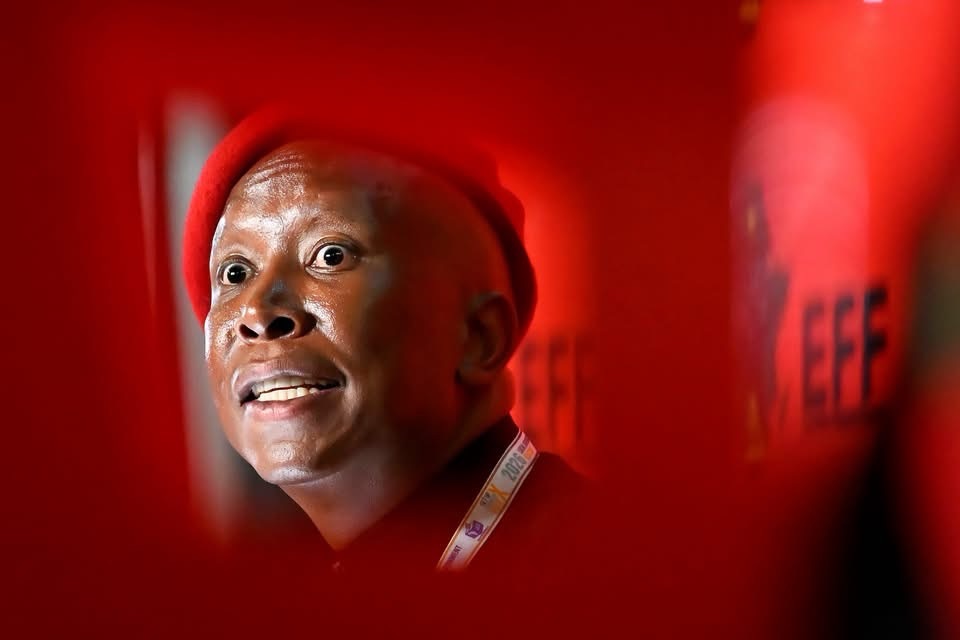
The EFF has been among the political voices critical of campaigns it considers xenophobic, while March and March has maintained that its activities are aimed at addressing undocumented immigration rather than targeting foreign nationals generally.
Ngobese-Zuma has previously rejected accusations of xenophobia, arguing that the movement is calling for stronger immigration enforcement and improved border control.
The debate also featured prominently in the build-up to the 4 November elections, with several political parties publicly engaging with the movement’s demands.
The MK Party, led by former president Jacob Zuma, met with March and March leadership ahead of the elections. The party acknowledged the movement’s work on undocumented immigration but cautioned that enforcing immigration laws should not be used to justify xenophobia, discrimination or violence.
Ngobese-Zuma’s latest comments add another dimension to the post-election debate, as political parties assess their performance and the influence of immigration-related issues on voter sentiment.
The IEC’s final results will determine the full extent of each party’s performance. However, the election results alone do not establish that voters supported or rejected a party specifically because of its position on immigration.