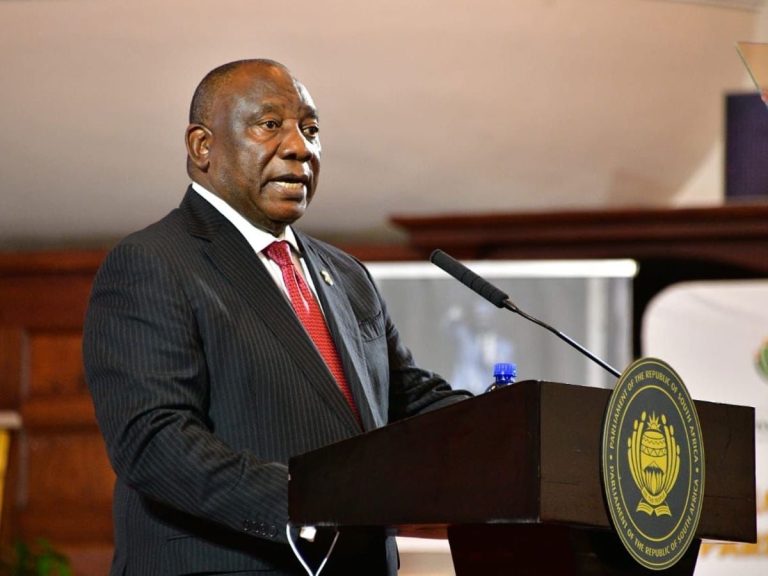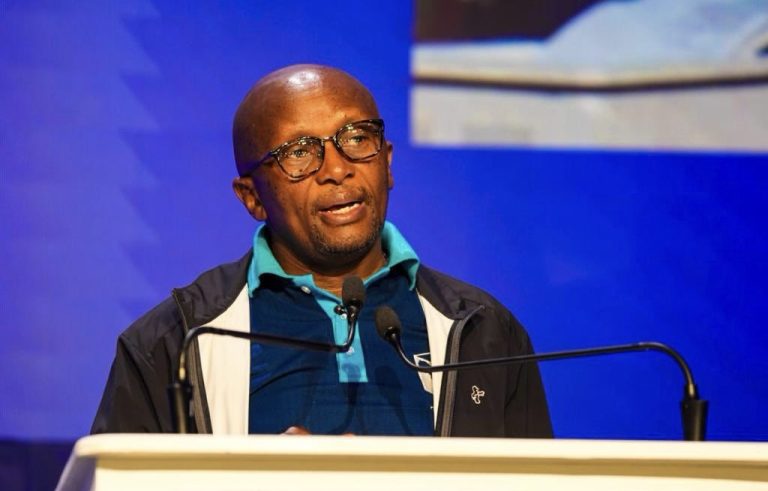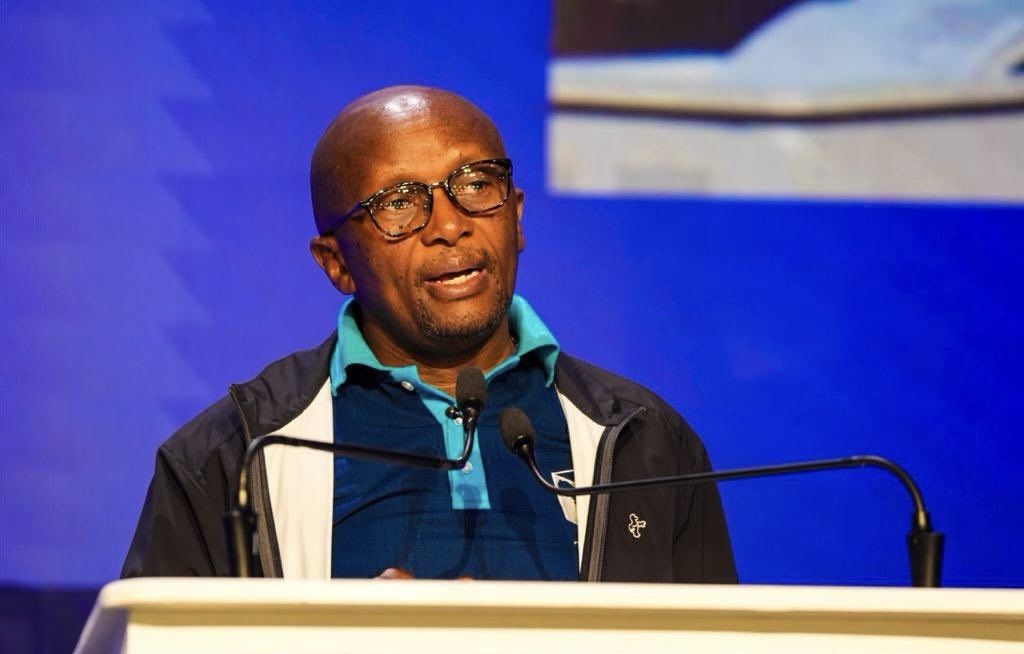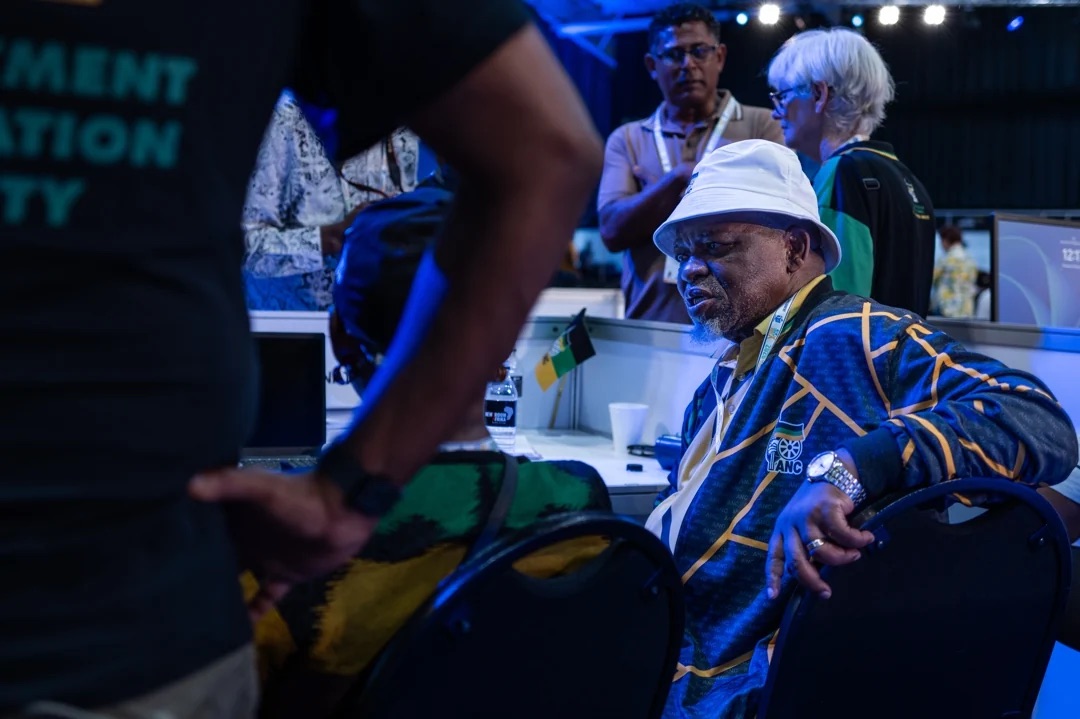
ANC national chairperson Gwede Mantashe urged South Africans to remember what the governing party had done for them over the past 32 years when deciding how to vote in the 2026 Local Government Elections.
But with approximately 71% of the national vote counted, the election results are pointing to a historic decline in support for the ANC, raising questions about whether its record in government is still enough to convince voters to give it another mandate.
Ahead of the elections, Mantashe called on ANC supporters and campaign volunteers to remind communities about the achievements of ANC-led governments since 1994. These included the provision of RDP houses, access to education, electricity, social grants and healthcare.
His message was that voters should consider the progress made under the ANC rather than overlook the party’s contribution to the country over three decades.
However, the party is now facing the consequences of growing dissatisfaction with the conditions in many communities, where residents continue to raise concerns about unreliable water and electricity supplies, poor roads, inadequate sanitation, refuse collection problems and deteriorating municipal infrastructure.
For many households, the question is no longer only what government delivered decades ago, but whether their elected representatives are making a meaningful difference in their lives today.
The ANC has also faced years of criticism over corruption, unemployment, crime and failures in local governance. These issues have featured prominently in the election campaign and in voters’ concerns about the performance of municipalities.
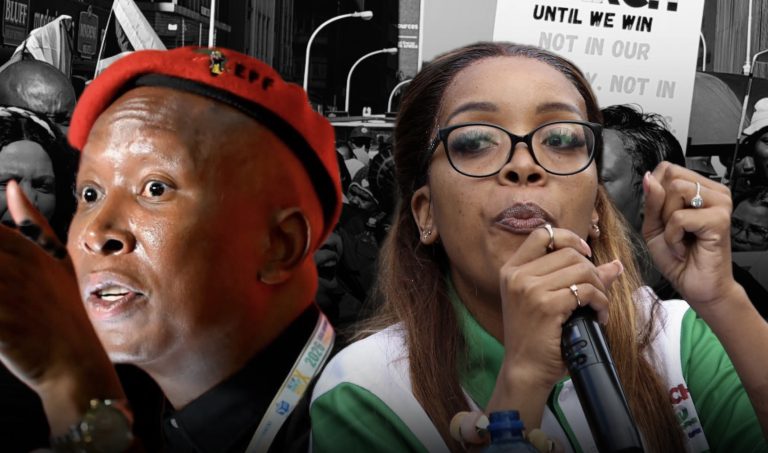
According to preliminary figures reported on Thursday, the ANC was polling at 31.83% nationally, compared with 45.59% in the 2021 Local Government Elections. The DA was on 25.92%, while the MK Party had 8.04%. The EFF and ActionSA were polling at 5.89% and 4.17%, respectively.
With approximately 71% of the national vote now counted, the final outcome remains subject to the completion of the counting process and the IEC’s announcement.
The results suggest that the ANC’s historical contribution is no longer sufficient, on its own, to secure the level of electoral support it once enjoyed. Voters are increasingly faced with the question of whether the promises made by political parties translate into functioning municipalities and tangible improvements in their daily lives.
Mantashe asked voters to remember the past 32 years. The election results, however, suggest that the ANC must also answer for what has happened during those years – particularly in communities still waiting for reliable basic services and better living conditions.
For a party that has governed South Africa since 1994, the message from this election is that its history cannot be its only campaign argument. Its performance in government will continue to matter to voters.