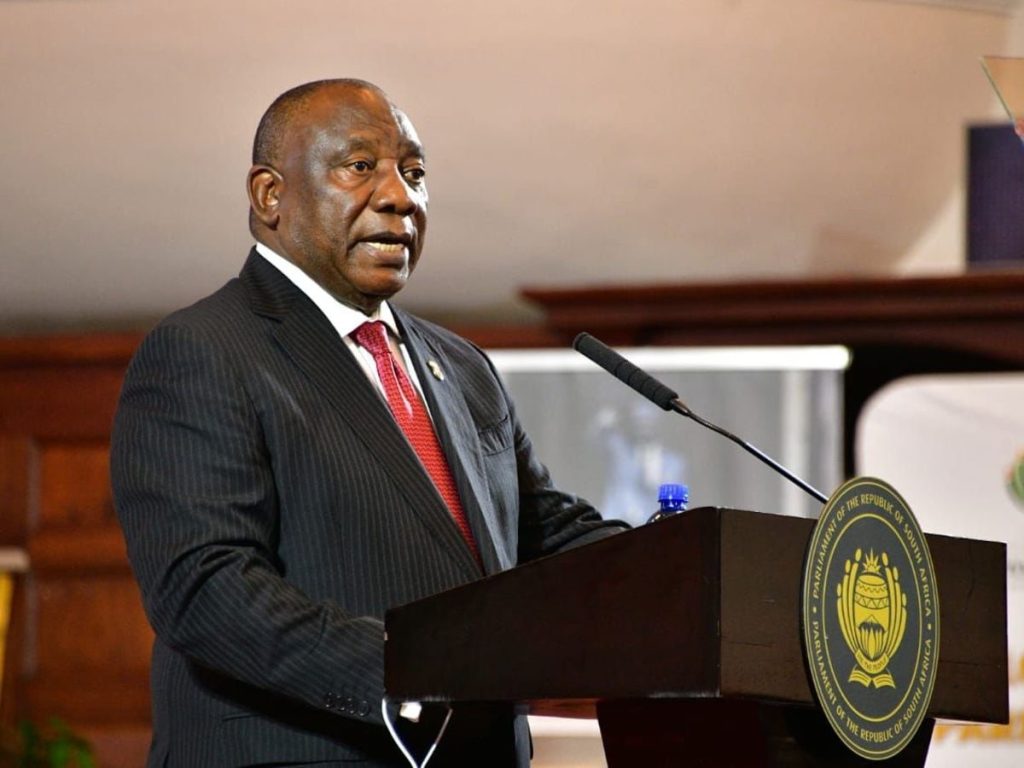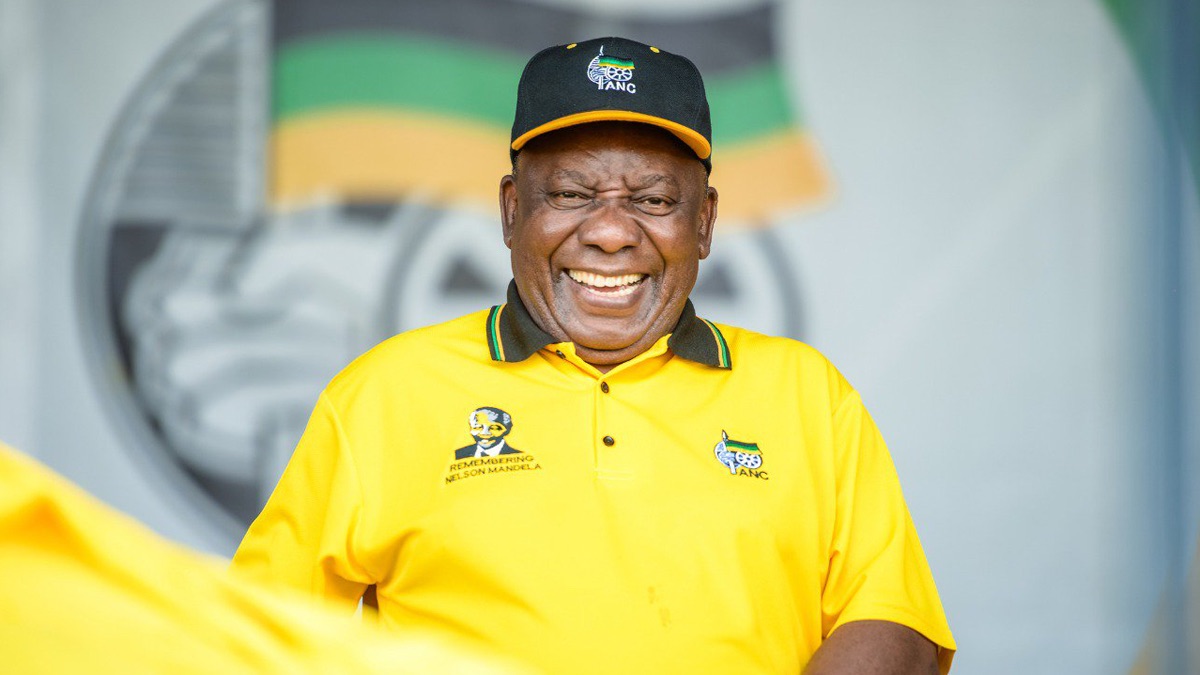
African National Congress (ANC) president Cyril Ramaphosa has dismissed predictions that his party could suffer further electoral losses in the upcoming local government elections, insisting that the governing party remains confident of securing an outright victory.
Ramaphosa made the remarks on Monday while campaigning at Kingsley Hostel in Mamelodi, Pretoria, as political parties intensified their campaigns ahead of the local government elections scheduled for 4 November 2026.
His comments come amid polling reports suggesting that the Democratic Alliance (DA) could overtake the ANC in several major metropolitan municipalities.
“The studies are just studies. We know what’s happening on the ground. The ANC’s campaign is reaching a very high peak and our people are responding very positively,” Ramaphosa said.
He added that the ANC remained confident of winning the elections.
“We are confident of an outright victory. And of course many other parties will always dream of victory, but victory belongs to the ANC,” he said.
DA polling points to gains in six metros
The latest controversy follows reports that the DA’s internal polling places it ahead of the ANC in six of South Africa’s eight metropolitan municipalities.
According to figures reported by News24 and IOL, the DA is ahead of the ANC in Johannesburg, Tshwane, Ekurhuleni, Mangaung, Nelson Mandela Bay and Cape Town.
The reported figures include:
- Johannesburg: DA at 39%, ANC at 20%.
- Tshwane: DA at 35%, ANC at 27%.
- Ekurhuleni: DA at 33%, ANC at 20%.
- Mangaung: DA at 36%, ANC at 34%.
- Nelson Mandela Bay: DA at 44%, ANC at 24%.
- Cape Town: DA at 51%, with the ANC trailing.
The figures are based on the DA’s internal polling, which has not been publicly released in full. They should therefore be treated as reported polling estimates rather than official election results.
In eThekwini, the same polling reportedly places the MK Party ahead, with the ANC trailing behind the main contenders.
ANC faces pressure over municipal performance
The polling reports come as the ANC faces criticism over service delivery, municipal infrastructure and governance in several urban centres.
Ramaphosa has defended the party’s record, arguing that its contribution to South Africa’s transformation since 1994 should be weighed against its shortcomings.
During a campaign engagement in Soweto on Sunday, he acknowledged that the ANC had made mistakes but maintained that its achievements outweighed its failures.
The upcoming elections will test whether the ANC can retain its position in municipalities where opposition parties are seeking to increase their support.
South Africans are scheduled to vote on 4 November 2026. The final outcome will determine the composition of municipal councils and whether parties can govern outright or need coalition partners.