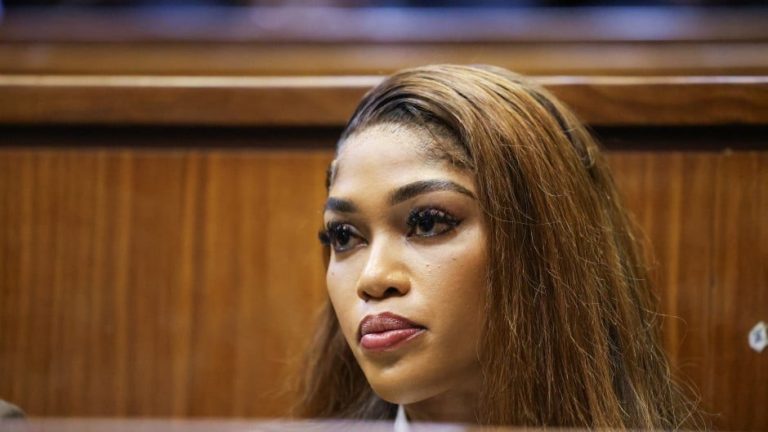
There was a time when the name Mihlali Ndamase immediately evoked admiration. Discipline. Consistency. A blueprint for what digital entrepreneurship could look like in South Africa if done right.
Long before influencing became fashionable, Ndamase was already building. Armed with a camera, makeup brushes and relentless work ethic, she turned YouTube tutorials into a powerful personal brand. Major beauty collaborations followed, and soon she was no longer just a content creator but a businesswoman. The launch of Malakyt, a beauty services platform aimed at professionalising the industry, cemented her status as more than just an influencer chasing trends.
At her peak, Mihlali represented possibility.
But fame is a double-edged sword, and in recent years, the narrative around her has shifted — sharply.
Public discourse has increasingly focused less on her work and more on her personal life. Social media speculation and tabloid headlines have repeatedly linked her to wealthy businessmen, some allegedly married. These claims have never been confirmed by Ndamase herself, yet they have lingered long enough to shape perception — often unfairly, sometimes recklessly.
One of the most visible and troubling chapters involved businessman Leroy Sidambe. Ndamase publicly accused him of physical assault, sharing images of her injuries online. Sidambe denied the allegations, and the matter never reached the courts. The relationship ended, but the damage — to reputations, narratives, and public trust — lingered.
More recently, she alleged that a man named Michael Britz had been harassing and following her, saying she feared for her safety. Almost immediately, the internet did what it does best — speculate. Unverified claims about financial arrangements surfaced, circulated widely, and were consumed as fact despite never being substantiated.
And that is the real story here.
None of these allegations have been tested in court. None have been conclusively proven. Yet the court of public opinion has already delivered its verdict — not through evidence, but through repetition.
What once made Mihlali compelling — her ambition, her polish, her entrepreneurial drive — has been overshadowed by controversy she does not fully control. In a digital age that rewards outrage more than nuance, personal life has become her loudest headline.
This is not to absolve, accuse, or judge. It is to observe.
Mihlali Ndamase is now navigating the harsh reality many public figures eventually face: when your name becomes content, your humanity becomes secondary. Every relationship is interrogated. Every silence is interpreted. Every statement is dissected.
Yet, it would be premature to write her off.
She remains a significant figure in South Africa’s digital economy. Her influence, though dented, is not erased. Reinvention is possible. So is retreat. So is a quiet recalibration away from the noise.
History is full of public figures whose second acts proved more powerful than their first.
The question is no longer what happened to Mihlali Ndamase — but what she chooses to do next.