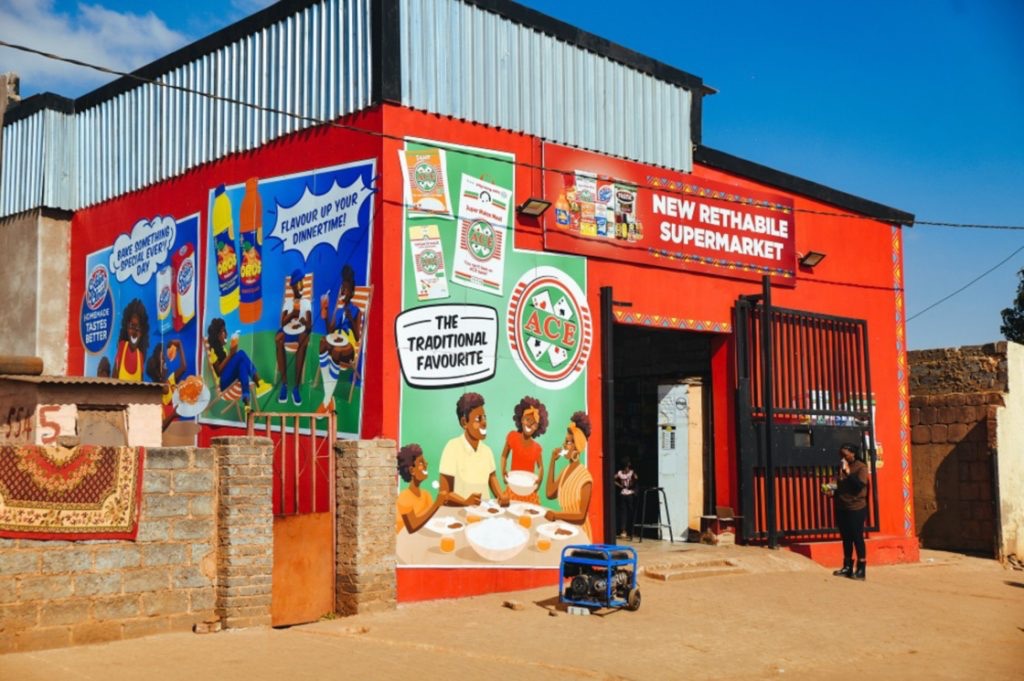
The MK Party in Parliament has proposed new legislation that would restrict the ownership and operation of spaza shops to South African citizens only, as tensions continue to rise around township businesses.
Background: Pressure in township economies
Spaza shops remain a vital part of daily life in many communities across South Africa, offering affordable and accessible goods.
However, in recent years, the sector has become increasingly competitive, with many shops run by foreign nationals who are often able to:
- Offer lower prices through bulk buying
- Operate for longer hours
- Maintain strong supply networks
While this has benefited consumers, many local traders say they are struggling to compete, leading to growing frustration.
Deaths of children raise alarm
The debate has taken a more serious turn following reported incidents where children died after consuming snacks bought from certain spaza shops.
These cases have sparked public outrage and fear, with communities demanding stricter oversight, better food safety controls, and accountability.
Although investigations into such incidents are handled by authorities, they have intensified concerns about:
- Food safety standards
- Regulation of informal businesses
- The need for stronger enforcement mechanisms
Protests and rising tensions
The issue has also contributed to:
- Protests and shutdowns in parts of the country
- Calls for the removal of undocumented foreign traders
- Increased scrutiny of spaza shop operations
MK Party’s position
The MK Party says its proposal aims to:
- Protect local businesses
- Strengthen township economies
- Improve accountability and regulation in the sector
The party believes reserving spaza shops for South Africans could help restore order and address community concerns.
Concerns over legality and impact
However, the proposal is likely to face challenges, including:
- Questions around constitutional rights and discrimination
- Potential impact on prices and access to goods
- South Africa’s obligations under regional agreements
What happens next
The proposal will need to go through Parliamentary processes before it can become law.
As the debate continues, spaza shops remain at the centre of a broader national conversation about economic inclusion, safety, and community wellbeing.