
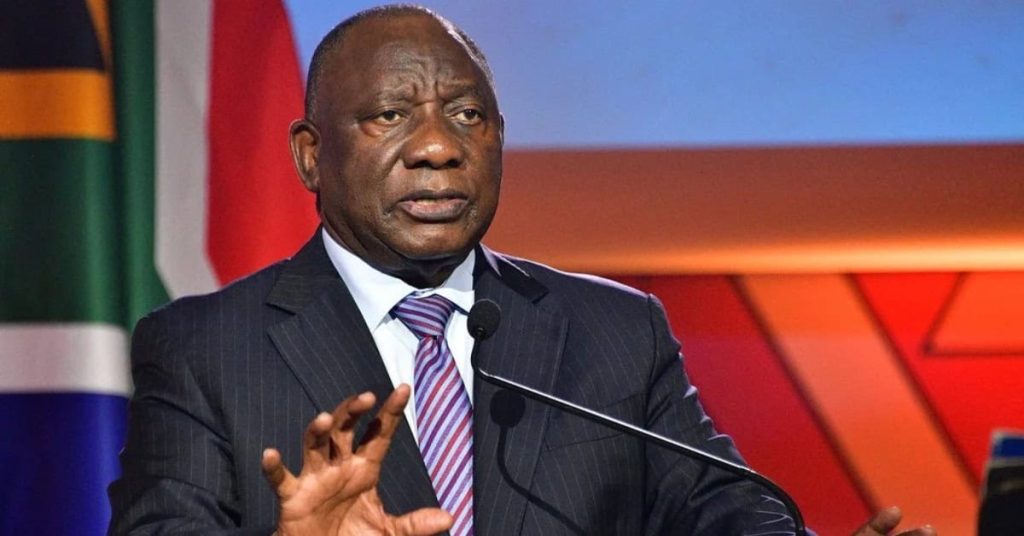
President Cyril Ramaphosa is set to address the nation on Sunday evening as government faces growing pressure over illegal migration, anti-foreigner protests and concerns about law and order across the country. The Presidency confirmed that the address will focus on government’s approach to illegal migration and the recent surge in protests targeting foreign nationals.
The address comes amid a wave of demonstrations in several parts of South Africa, where activists and community groups have called for stricter immigration enforcement and action against undocumented migrants. Government has expressed concern about rising tensions and the possibility of violence linked to the protests.
In recent days, Ramaphosa has sought to reassure both South Africans and other African nations that government is taking the matter seriously. Speaking during a state visit by Kenyan President William Ruto, Ramaphosa announced that South Africa would dispatch envoys across Africa and other parts of the world following attacks on foreign nationals. He emphasized that South Africans are not inherently xenophobic and that migration challenges should be addressed through cooperation between countries.
Government has previously acknowledged that illegal immigration poses risks to security, stability and economic development. Ramaphosa has pledged stronger border security measures, increased use of technology such as drones, tighter enforcement of immigration laws and tougher action against employers who hire undocumented foreign nationals. At the same time, he has repeatedly stated that the rights and dignity of all people living in South Africa must be respected and protected.
The President’s address is expected to clarify government’s position on illegal migration, public protests, law enforcement responses and measures aimed at maintaining stability while ensuring compliance with the law.
The nation is expected to closely watch the address as tensions around immigration, border control and the treatment of foreign nationals continue to dominate public debate.