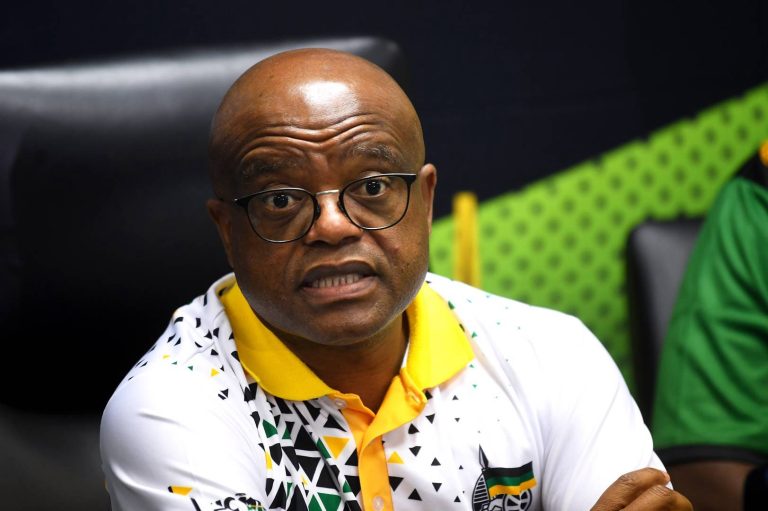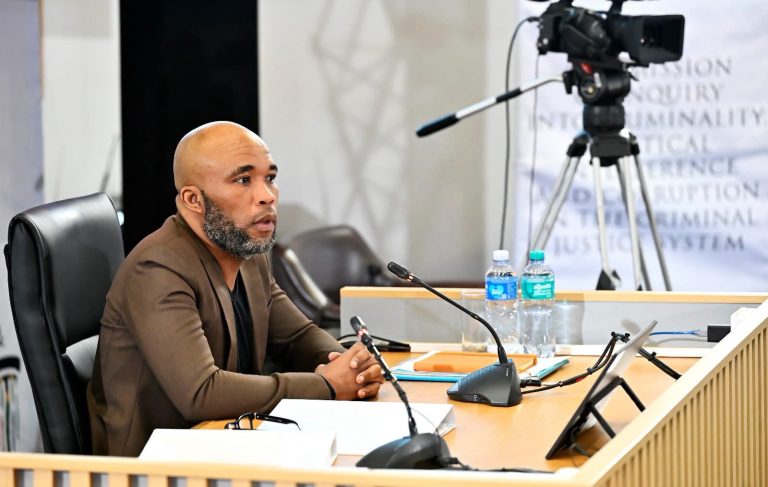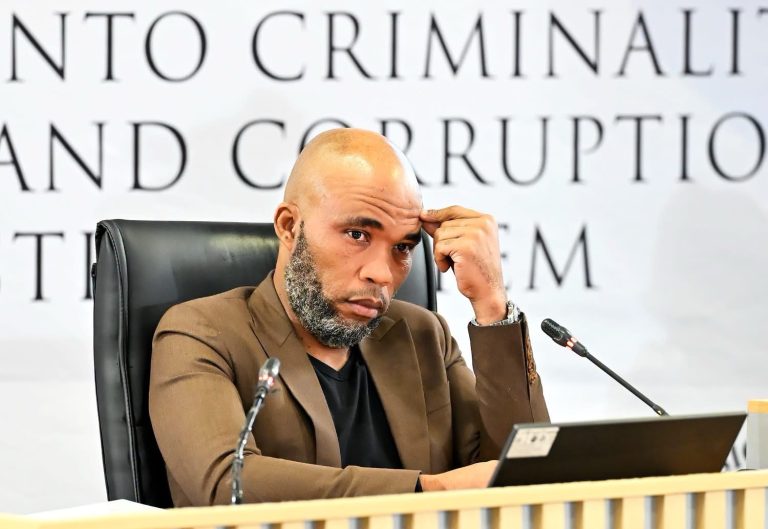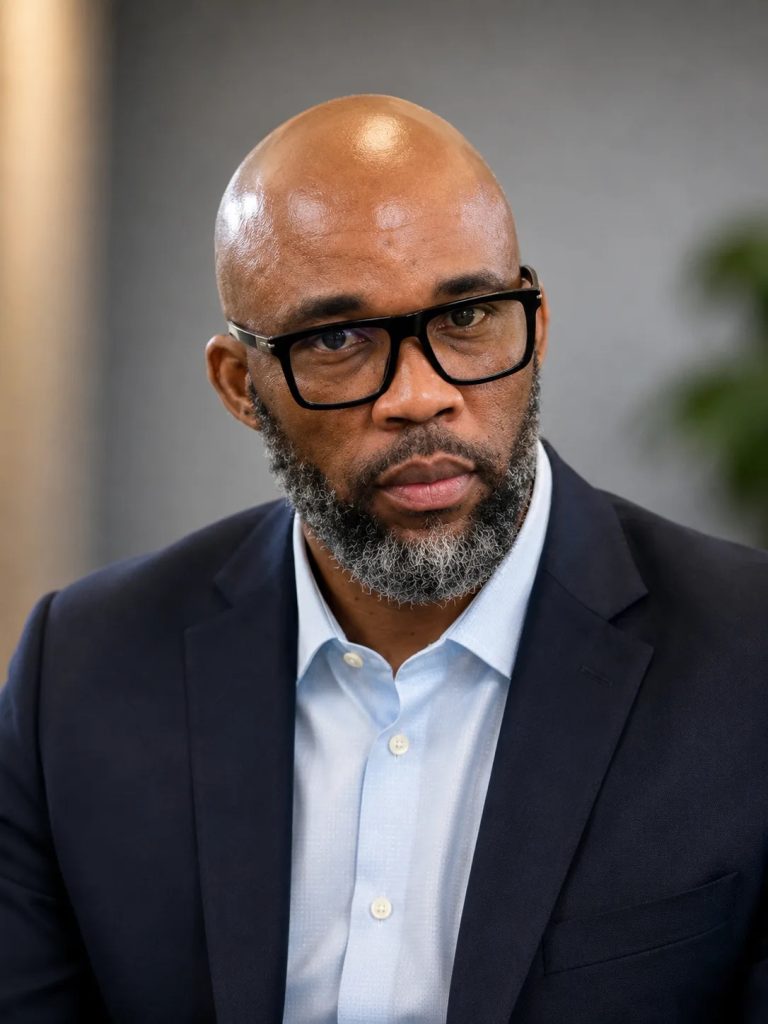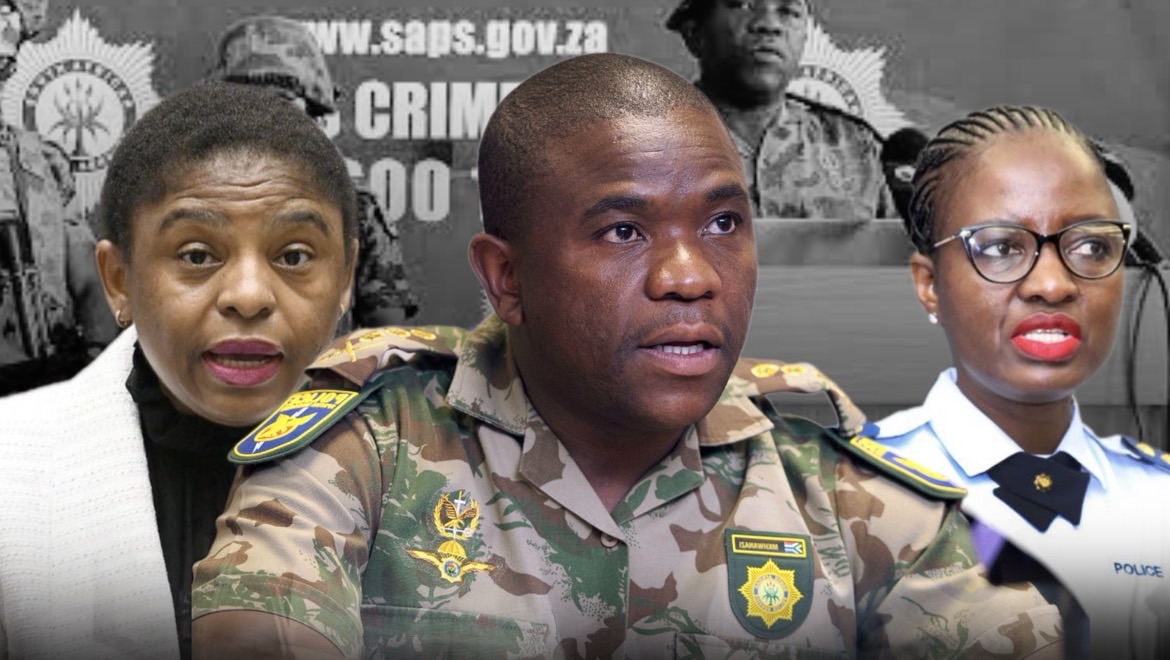
Minister in the Presidency Khumbudzo Ntshavheni has confirmed that KwaZulu-Natal police commissioner Lieutenant General Nhlanhla Mkhwanazi is serving in a national role focused on organised crime, following an instruction from National Police Commissioner General Fannie Masemola.
Mkhwanazi took up the role in April 2026 as part of a national strategy to coordinate efforts against organised criminal networks across South Africa. At the time, he said he would oversee the national initiative while retaining responsibility for policing in KwaZulu-Natal.
However, Ntshavheni has since confirmed that Mkhwanazi is no longer performing his substantive duties as the provincial commissioner while focusing on his national responsibilities. Major General Phumelele Makoba has been appointed as acting KwaZulu-Natal police commissioner.
Ntshavheni said Mkhwanazi is acting in the capacity of lieutenant general responsible for organised crime nationally.
Confirmation resurfaces amid March and March court battle
The confirmation has drawn renewed attention following the announcement that Police Minister Firoz Cachalia and Mkhwanazi have approached the Durban High Court for an urgent interdict against March and March, its leader Jacinta Zinhle Ngobese-Zuma and other respondents.
As reported by Kurrently, the applicants are seeking restrictions on marches, processions and protest convoys in parts of eThekwini, including Durban’s central business district and the area around the Home Affairs Refugee Reception Centre on Che Guevara Road.
The application also seeks to prohibit alleged unlawful conduct associated with the protests, including intimidation, assault, looting and property damage.
The court application is scheduled to be heard on Friday, 30 October 2026. The requested restrictions have not yet been granted, and the court will determine what relief, if any, is appropriate. (Kurrently)
Mkhwanazi’s national role centres on coordinating efforts to tackle organised crime syndicates across the country. His appointment was announced in April, when he said the initiative would involve analysing criminal case dockets and profiling syndicates with national and international links.