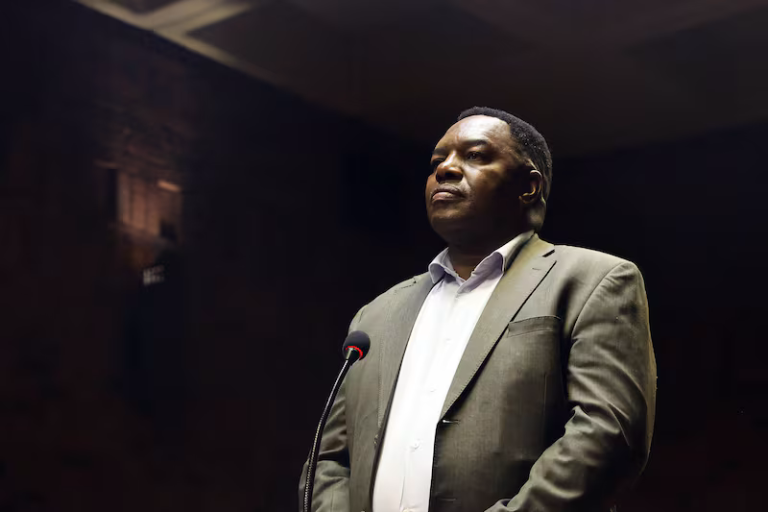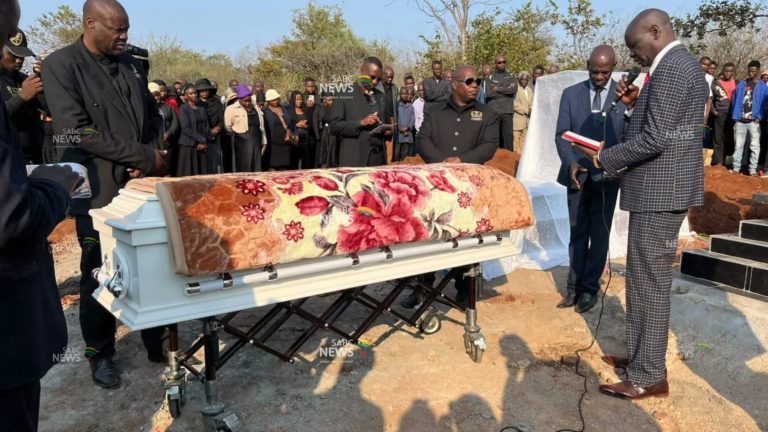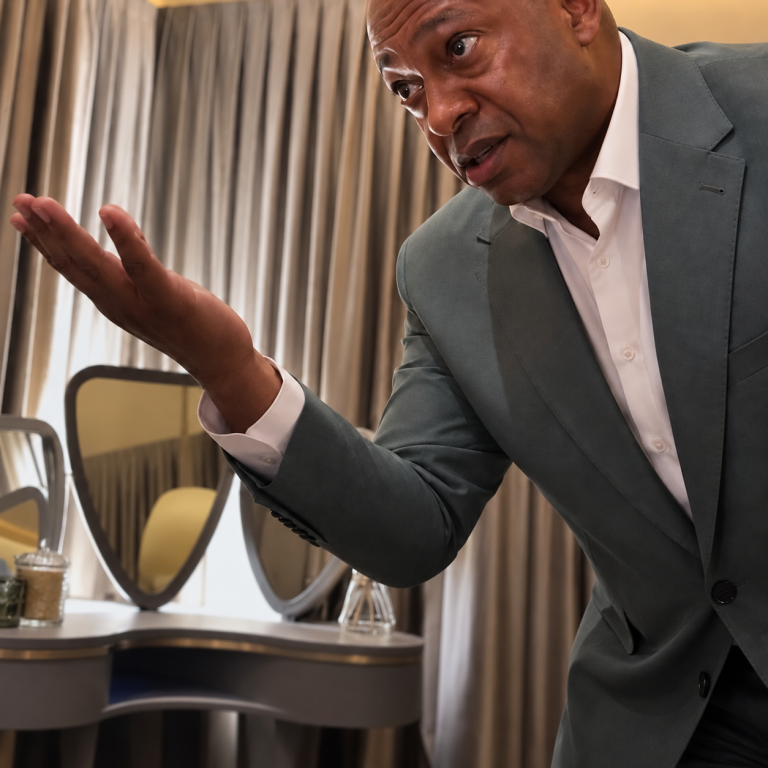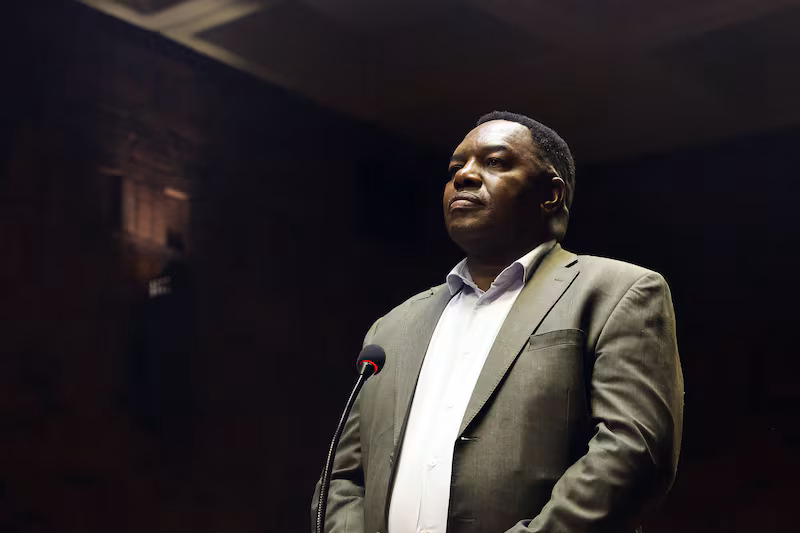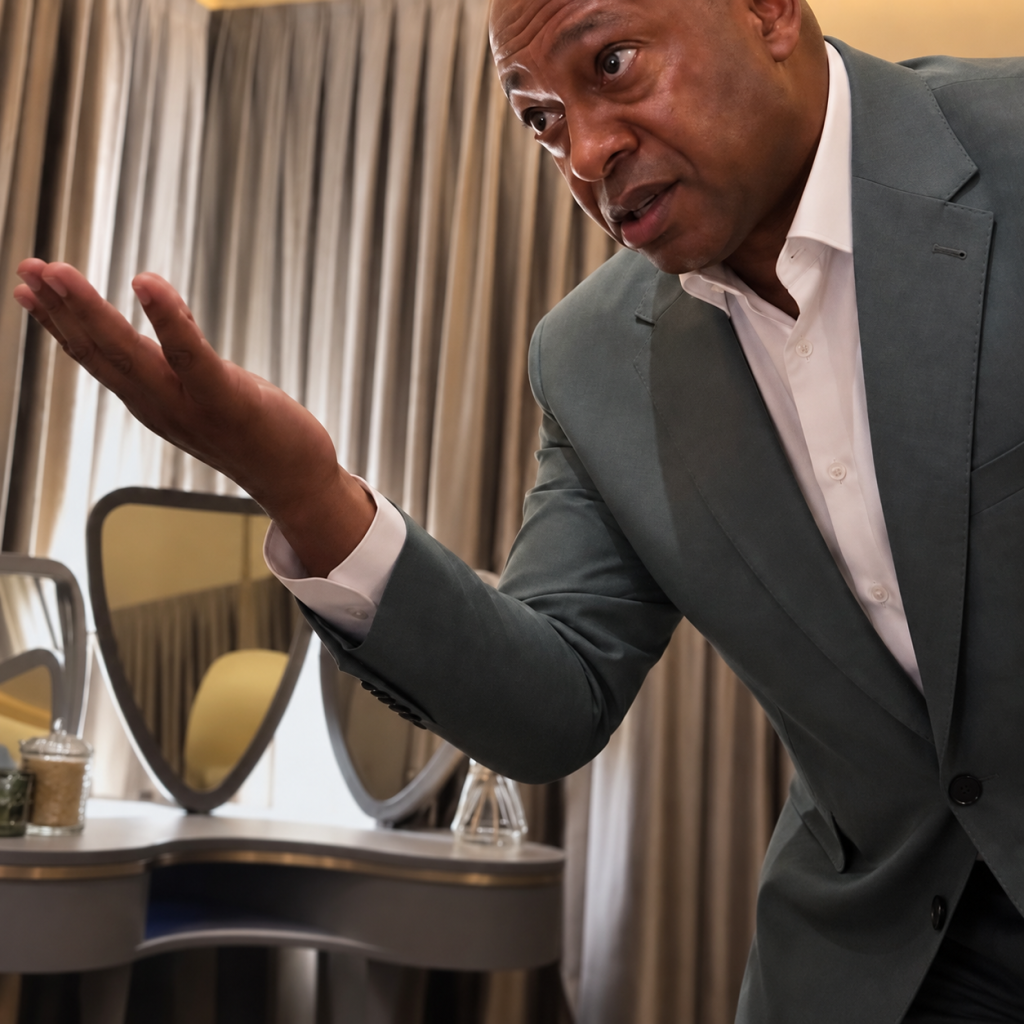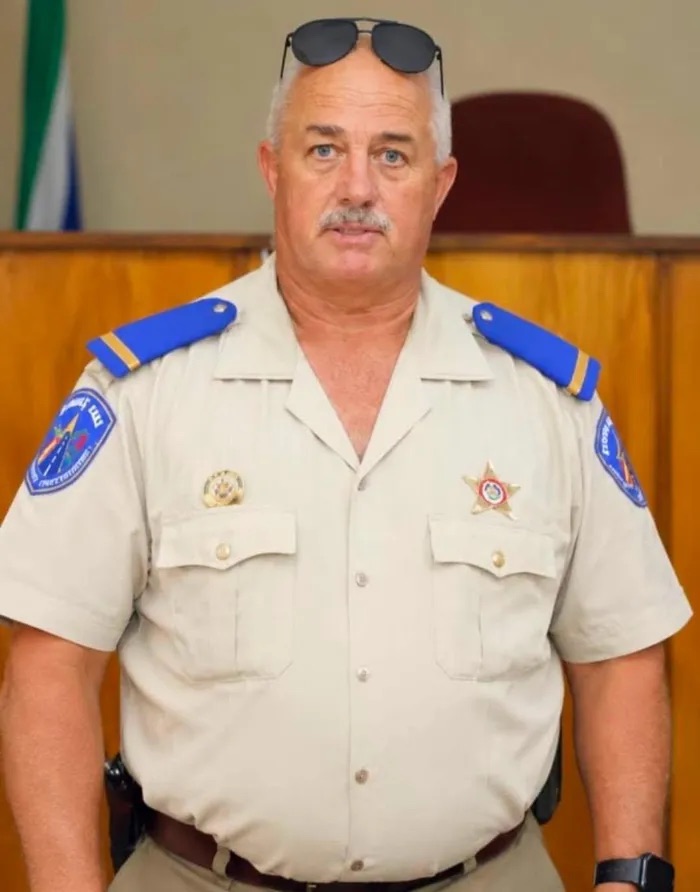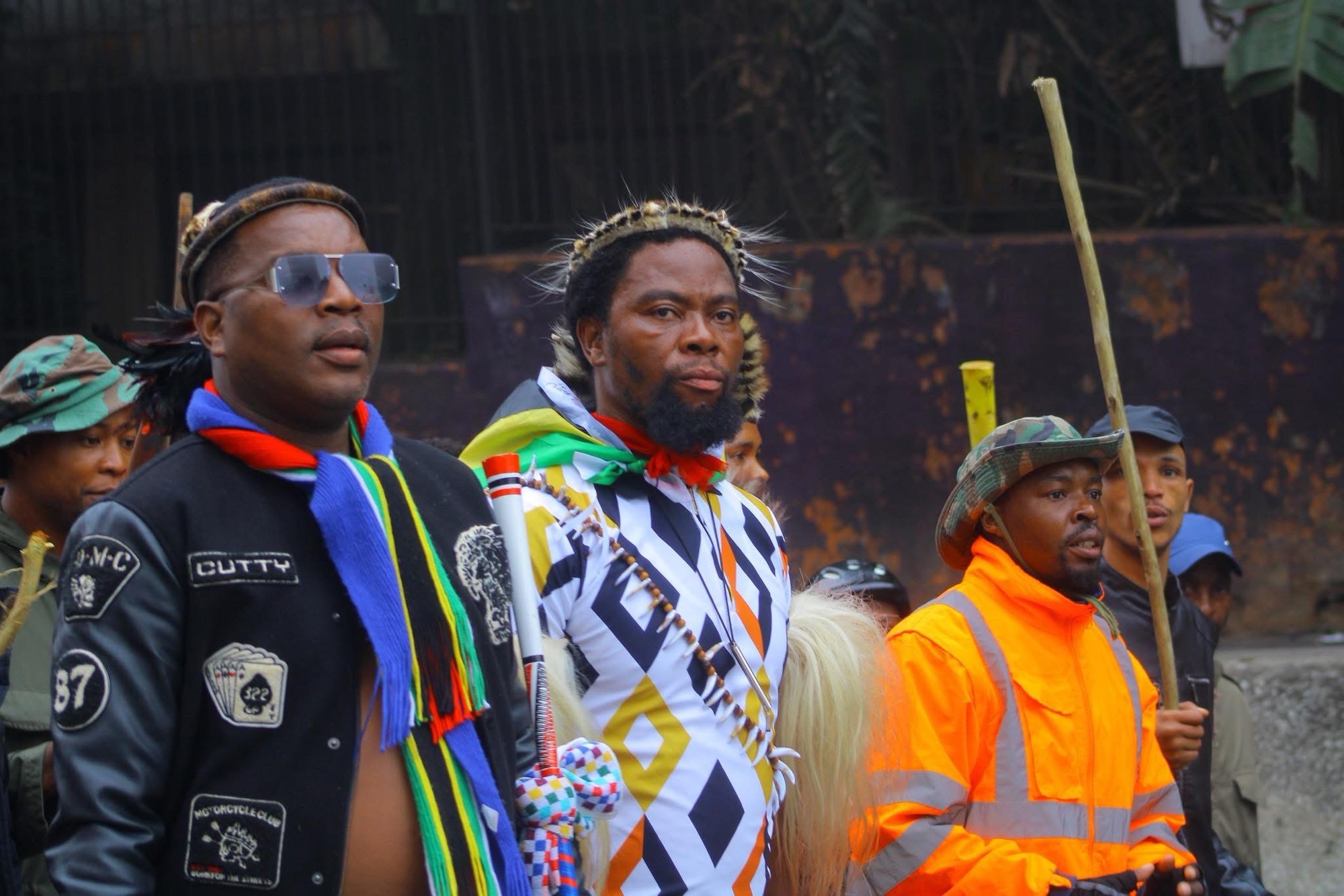
Protests targeting undocumented foreign nationals have intensified across parts of South Africa this week, with high-profile figures including Ngizwe Mchunu and traditional leader and actor Nkosiikhona Phakelumthakathi Ndabandaba emerging at the forefront of demonstrations.
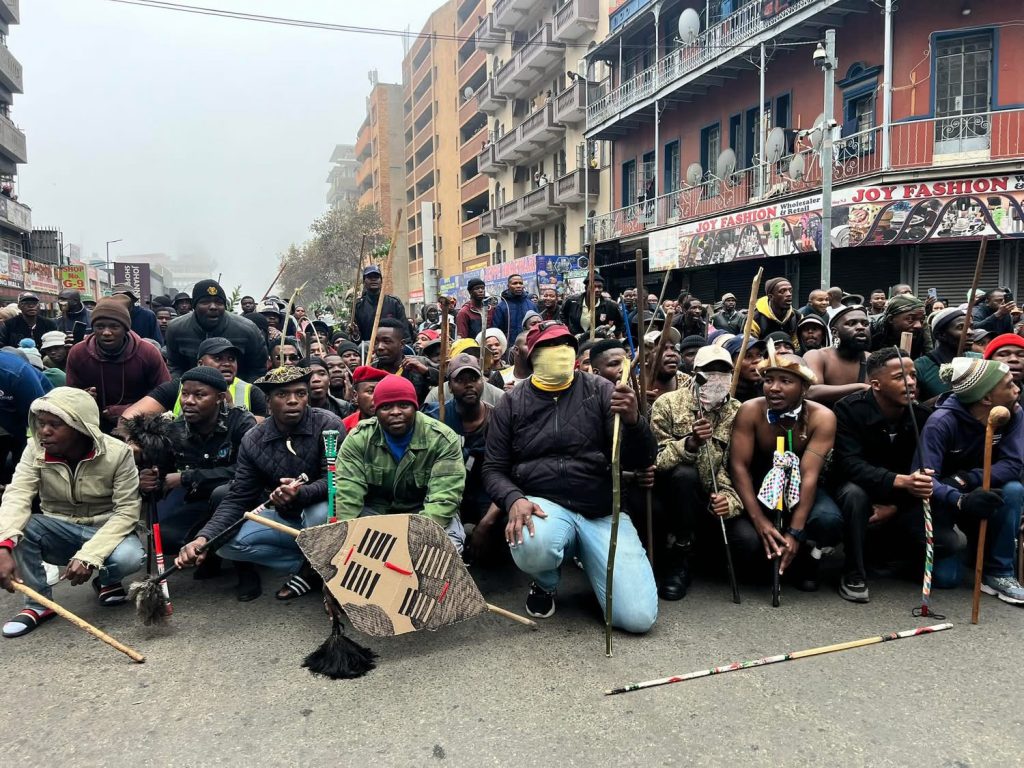
The protests form part of a broader campaign led by the March and March Movement, which has been organising marches in major urban centres. The movement previously brought parts of Pretoria to a standstill earlier in the week, before shifting its demonstrations to Johannesburg.
Growing momentum and disruption
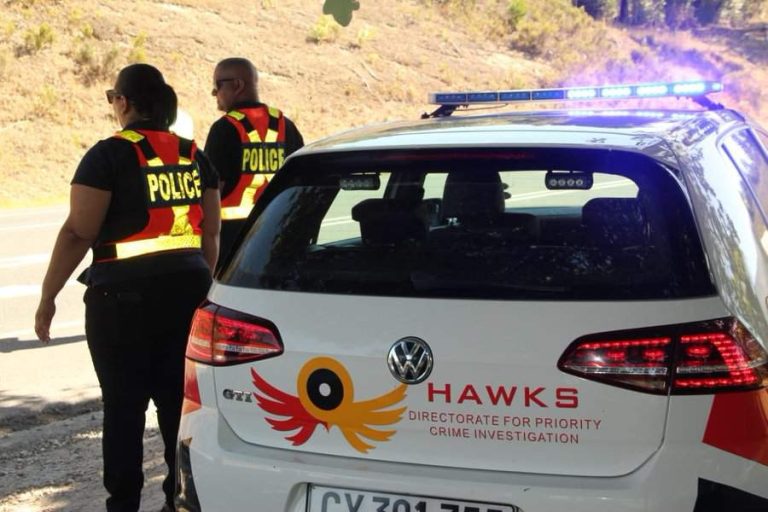
The protests have seen business activity disrupted in affected areas, with demonstrators calling for the immediate removal of undocumented foreign nationals. Law enforcement has been monitoring the situation as tensions rise.
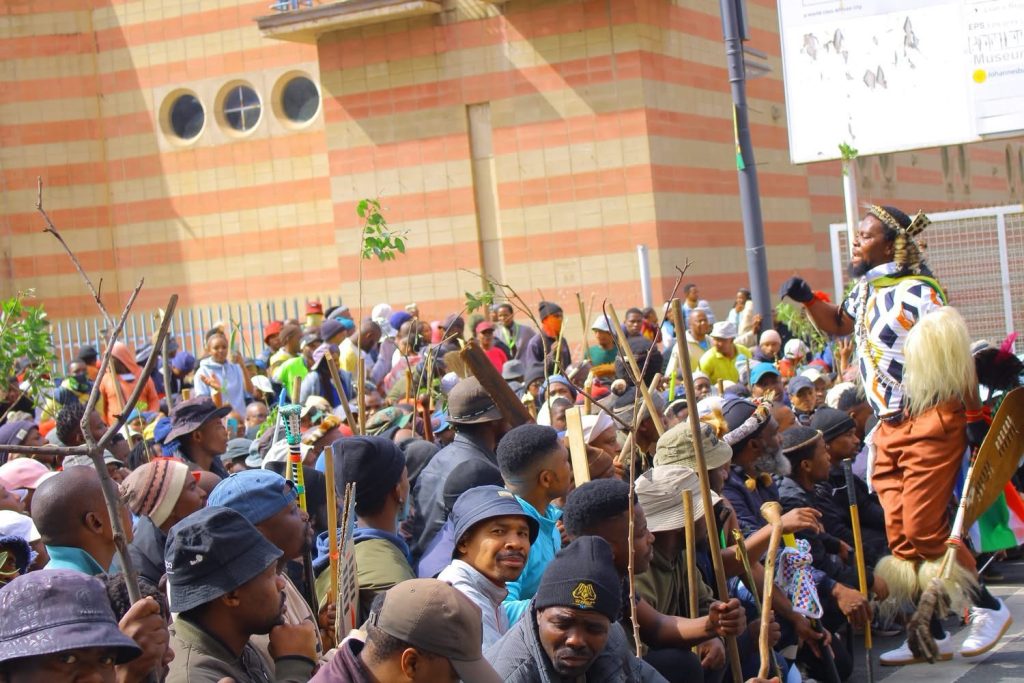
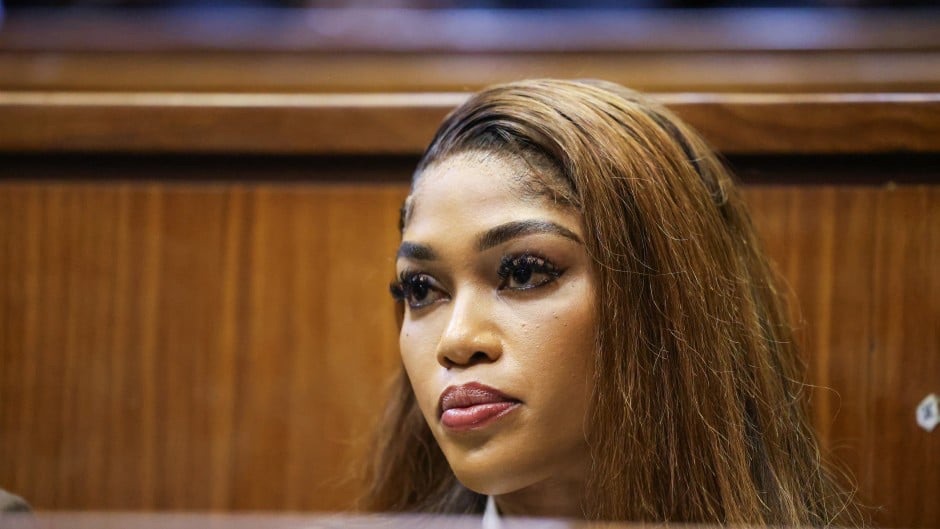
Activist Jacinta Ngobese is understood to be one of the organisers behind the marches, which have drawn significant public attention and participation.

Mchunu and Phakelumthakathi have been highly visible during the demonstrations, at times leading groups described as “amabutho” (Zulu regiments), adding a cultural and symbolic dimension to the protests.
Controversial rhetoric raises concerns
Some of the rhetoric emerging from the protests has sparked concern, particularly statements attributed to Phakelumthakathi, who framed the demonstrations as a response to perceived provocations and tensions involving Zulu identity and national pride.
We are not provoking you we are responding to the call by your leaders that are saying “Zulus are acting tough,we are not scared of them”.
Our might is not equivalent to a 3 minutes s*x round with a South African woman. We are the greatest nation in the whole wide world.
The class you will be attending I will be the teacher, brace yourselves.
The remarks have further fuelled debate online and in political circles, with critics warning that such messaging risks escalating tensions and deepening divisions.
Part of a broader national debate
The protests come amid ongoing national debates around immigration, unemployment, crime, and service delivery, issues that have increasingly been linked in public discourse.
While supporters argue that the demonstrations are a form of community frustration and activism, critics caution against xenophobic undertones and the potential for unrest.
Authorities have urged calm and emphasised the need for protests to remain peaceful and within the bounds of the law, as the situation continues to develop.