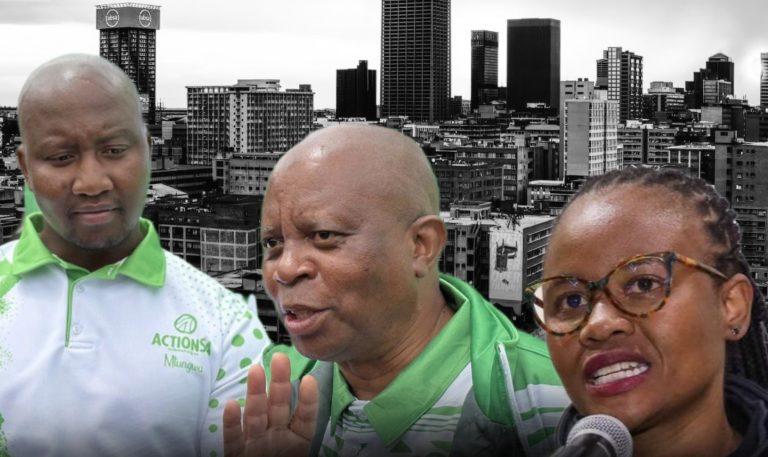
ActionSA had offered the Democratic Alliance (DA) control of the mayoral positions in Johannesburg and Ekurhuleni, alongside equal representation in the executive administrations of all three Gauteng metros, before the DA rejected its proposal.
The details of the proposal were made public by ActionSA national chairperson Michael Beaumont following the breakdown of coalition negotiations between the two parties.
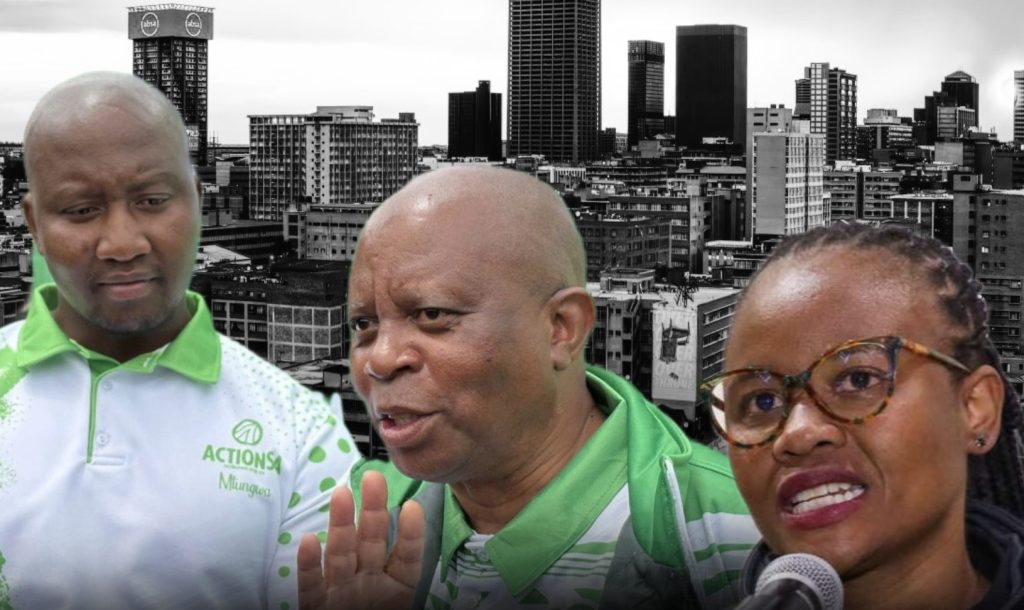
Under ActionSA’s proposal, Dr Nasiphi Moya would remain mayor of Tshwane, while the DA would take the mayoral positions in Johannesburg and Ekurhuleni.
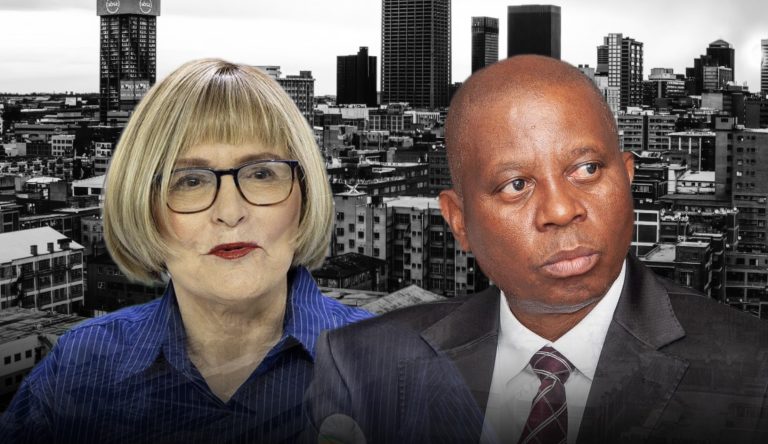
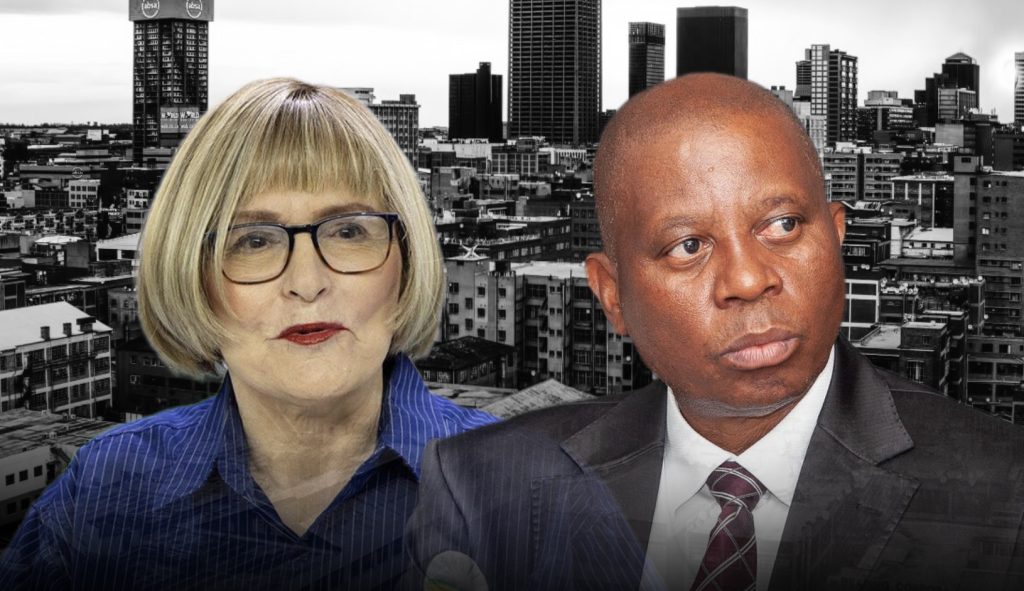
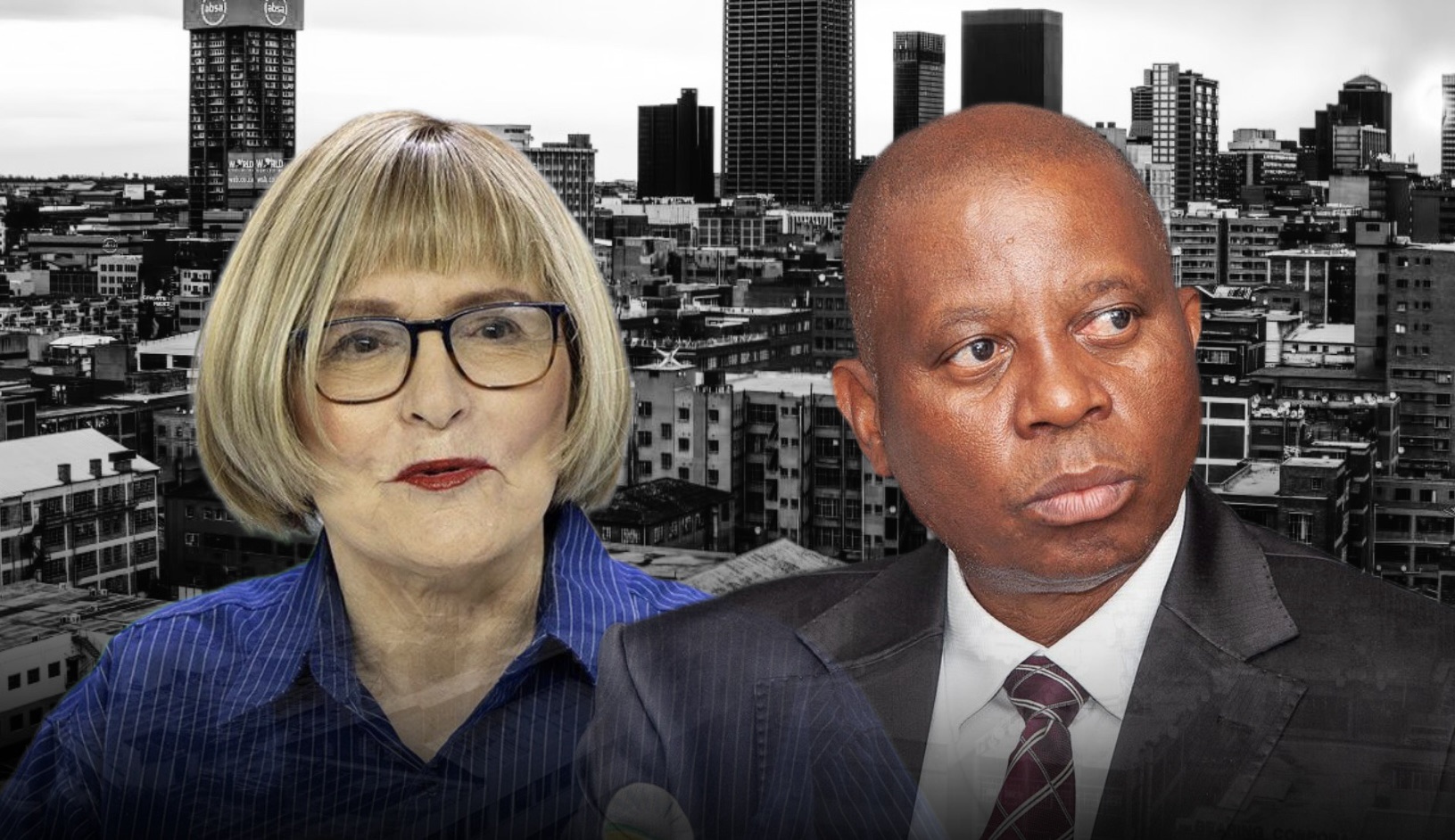
However, the arrangement required several changes to the parties’ preferred candidates. DA figures Helen Zille and Cilliers Brink would have to step aside, while ActionSA president Herman Mashaba would also withdraw as a potential Johannesburg mayoral candidate.
The proposed allocation of positions was as follows:
CITY OF TSHWANE
- Mayor: Dr Nasiphi Moya (ActionSA), with Cilliers Brink stepping aside.
- Deputy Mayor: DA.
- Speaker: DA.
- Mayoral Committee: Five seats for the DA and five for ActionSA.
- Chief Whip: ActionSA.
- Section 79 committees: Shared proportionally between the parties.
CITY OF JOHANNESBURG
- Mayor: DA, with Helen Zille and Herman Mashaba both stepping aside to allow new candidates.
- Deputy Mayor: ActionSA.
- Speaker: ActionSA.
- Mayoral Committee: Five seats for the DA and five for ActionSA.
- Chair of Chairs: ActionSA.
- Chief Whip: DA.
- Section 79 committees: Shared proportionally.
CITY OF EKURHULENI
- Mayor: DA.
- Deputy Mayor: ActionSA, with Xolani Khumalo proposed for the position.
- Speaker: ActionSA.
- Mayoral Committee: Five seats for the DA and five for ActionSA.
- Chair of Chairs: ActionSA.
- Chief Whip: DA.
- Section 79 committees: Shared proportionally.
How the DA’s final offer differed
The DA subsequently rejected ActionSA’s proposal and presented what it described as a full and final offer on Saturday, 21 November.
Under the DA’s counterproposal, Helen Zille would become mayor of Johannesburg, Khathutshelo Rasilingwane would lead Ekurhuleni, while Moya would remain mayor of Tshwane.
Unlike ActionSA’s proposal, the DA wanted each party to govern independently in the municipality where it held the mayoral position. ActionSA would support the DA’s mayoral and speaker candidates in Johannesburg and Ekurhuleni but would not receive positions in those two mayoral administrations.
The DA argued that its confidence-and-supply arrangement would provide greater stability and avoid disagreements within coalition administrations.
Beaumont criticised the counterproposal, arguing that it effectively expected ActionSA to use its council seats to install DA mayors without having any representation in the administrations of Johannesburg and Ekurhuleni.
The disagreement highlights the central sticking point in the negotiations: ActionSA was prepared to give the DA two mayoralties, but wanted shared executive power and the removal of certain candidates, particularly Zille and Brink.
The DA, however, maintained that it should be allowed to choose its own candidates and rejected ActionSA’s conditions.
With negotiations between the parties having broken down, ActionSA has since been pursuing alternative coalition arrangements with the ANC, EFF and MK Party.