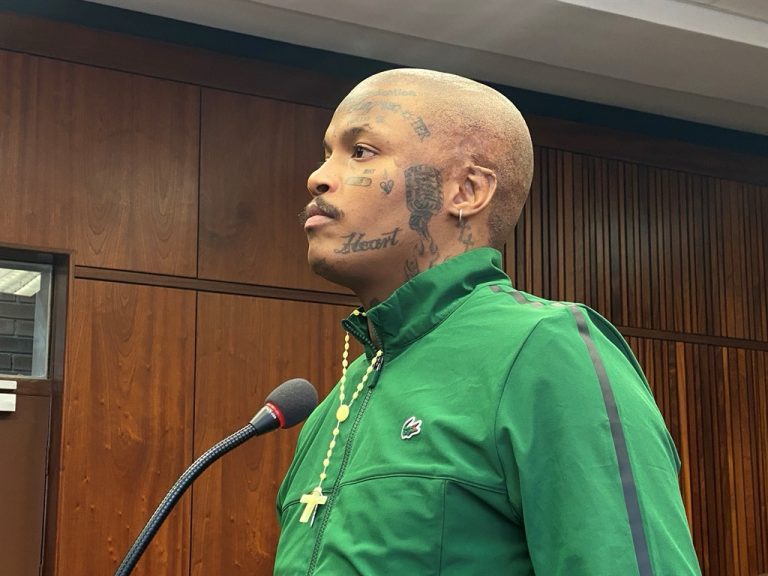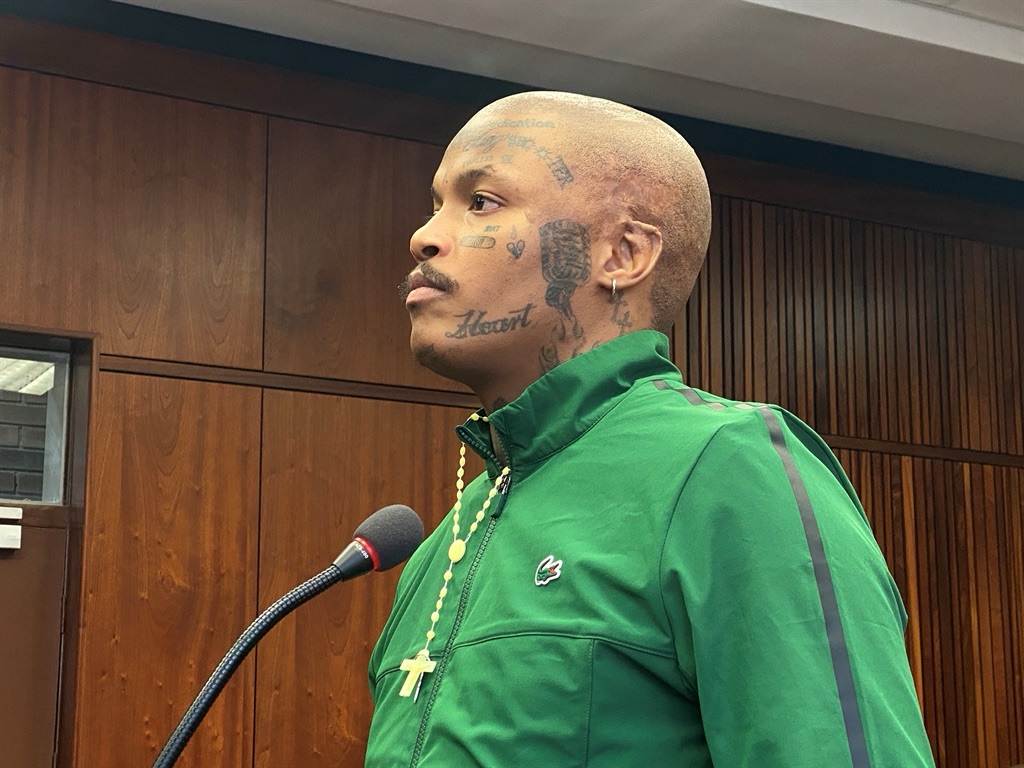
Anti-illegal immigration activist Nkosikhona “Phakel’umthakathi” Ndabandaba has defended his campaign to shut down foreign-owned shops in Nongoma, KwaZulu-Natal, as 23 foreign business owners seek a court order preventing him and other activists from interfering with their operations.
Ndabandaba represented himself at the Pietermaritzburg High Court on Thursday, 12 November 2026, where the shop owners are seeking an interdict to have their businesses reopened and prevent further interference.
The affected shops have reportedly been unable to operate since October, when Ndabandaba and other community members allegedly placed locks and chains on the premises.
Speaking to the media outside court, Ndabandaba said the group had reached an agreement with the business owners on 14 October 2026 that they would suspend operations while their immigration and business documentation was verified.
He said Home Affairs officials, immigration authorities and SAPS representatives were present at the meeting.
“We are in court today because we were brought by illegal or legal foreigners operating in KwaNongoma complaining about us closing their shop, which is not time because we had an agreement with them on the 14th of October 2026 that they must halt operations pending verification of their documents,” Ndabandaba said.
He alleged that the business owners failed to honour the agreement and instead intimidated local residents, prompting community members to organise themselves to protect the town.
Ndabandaba also argued that local workers should be given opportunities to take over businesses and develop their business skills.
He said some foreign business owners had employed local residents for as long as 15 years and that arrangements should be made to allow those workers to eventually run the businesses themselves.
He further questioned whether all foreign nationals working and living at certain business premises were properly documented, alleging that some shops presented only one person’s documents when officials conducted inspections.
The business owners, however, have approached the court seeking an order compelling the respondents to remove the locks and chains, restore access to their premises and refrain from intimidating or interfering with their employees and businesses.
The court proceedings also highlighted a dispute over whether the shop owners had agreed to suspend their operations. Ndabandaba maintains that an agreement was reached, while the applicants are seeking legal protection against the continued closure of their businesses.
The matter has been referred for settlement discussions, with the parties expected to return to court on 23 November 2026 for further proceedings.
The case raises questions about the enforcement of immigration and business regulations, as well as the limits of community-led action. Immigration compliance and enforcement remain matters for the relevant state authorities.