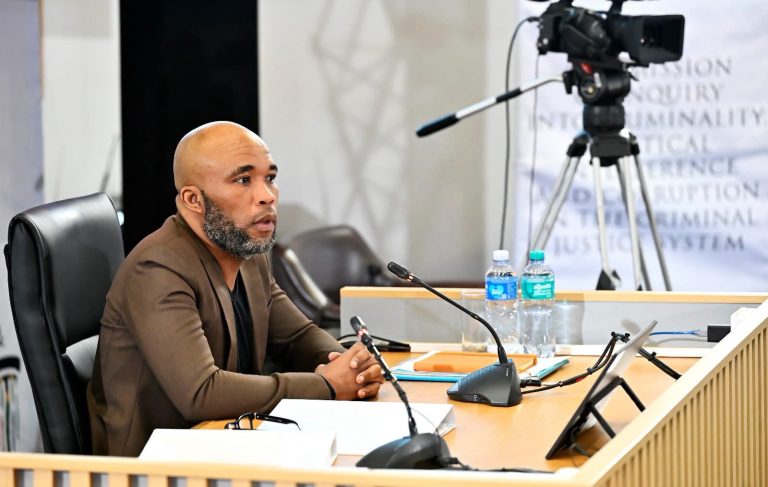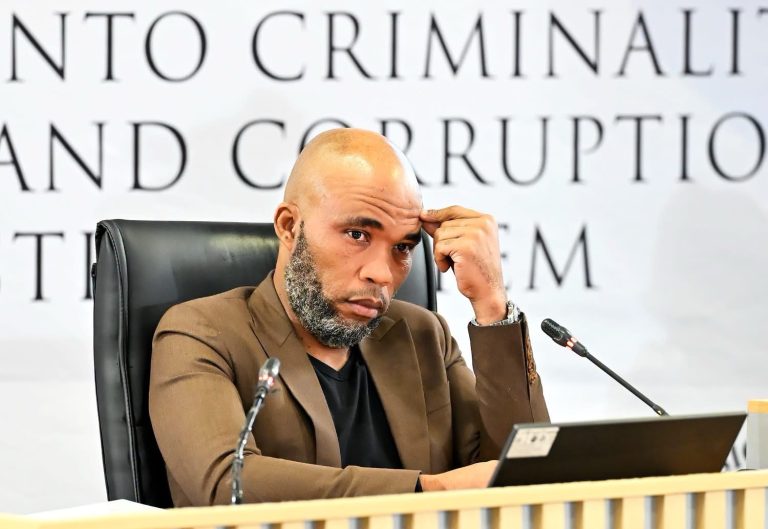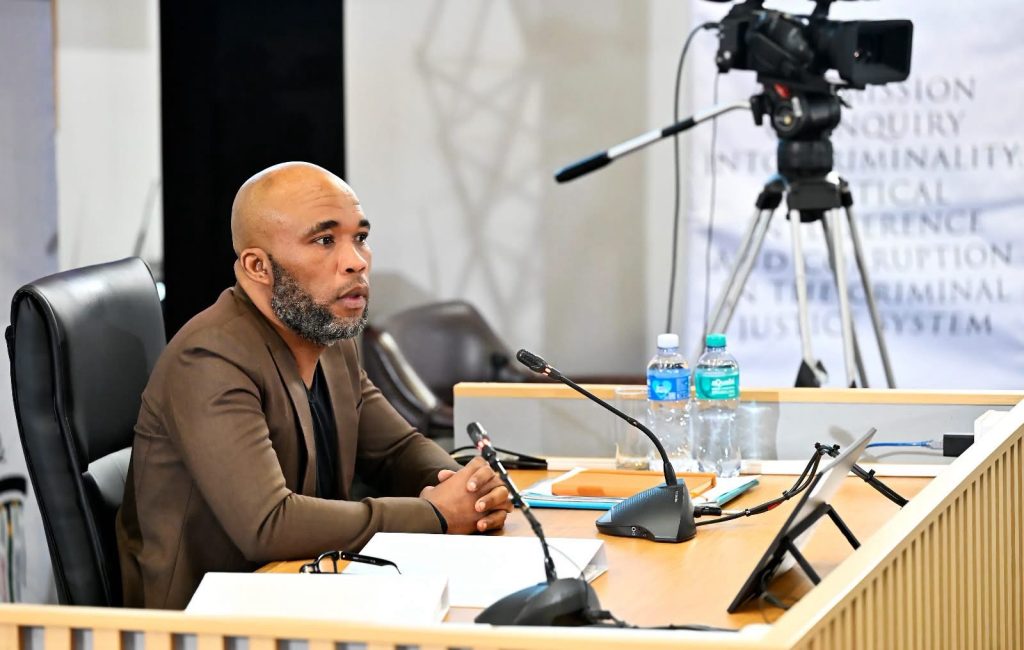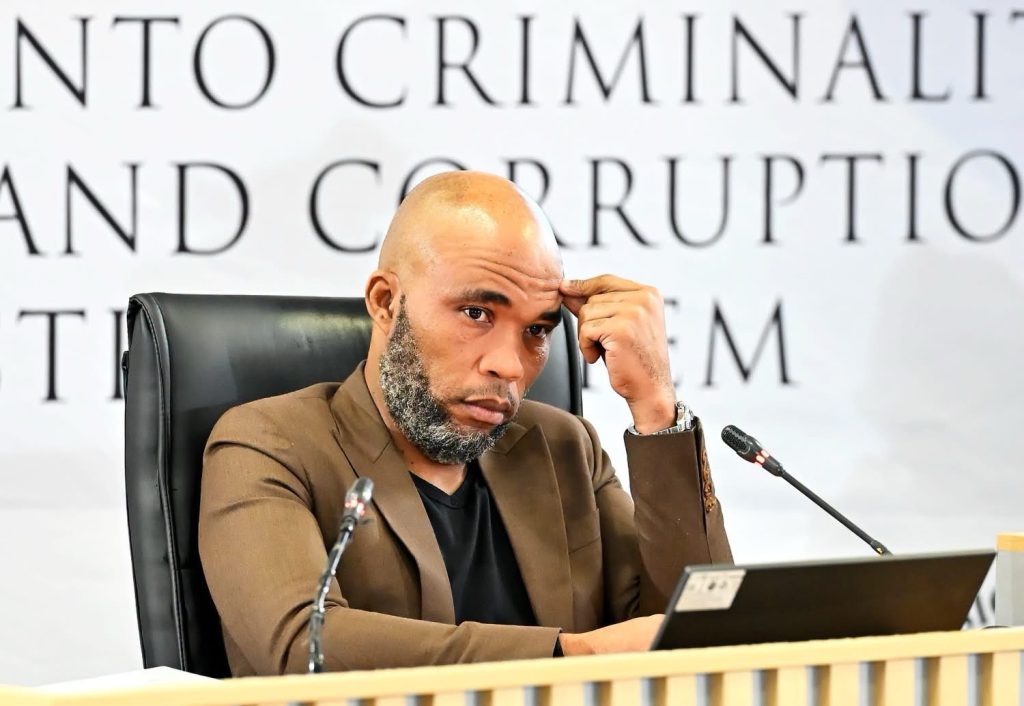
MK Party MP Vusi Shongwe has made fresh allegations about the disappearance of cocaine worth approximately R200 million from the Hawks’ offices in Port Shepstone, claiming that the drugs were stored at a medical clinic at the police college in Silverton, Pretoria.
During an interview on the SMWX podcast, Shongwe alleged that some packages were already missing from the consignment and that the drugs had been kept at the facility where controversial businessman Vusimuzi “Cat” Matlala was allegedly offered working space.
Shongwe further alleged that former crime intelligence boss Major-General Feroz Khan and former deputy national police commissioner Lieutenant-General Shadrack Sibiya were overseeing the process.
The claims introduce further allegations involving senior police figures and Matlala in a case that has drawn scrutiny over the handling of seized drugs and possible criminal networks within law enforcement.
The R200 million cocaine theft
The case dates back to November 2021, when 541 kilograms of cocaine, valued at approximately R200 million, disappeared from the Hawks’ Serious Organised Crime offices in Port Shepstone, KwaZulu-Natal.
According to the South African Police Service, the theft was discovered after a break-in at the offices. The perpetrators allegedly forced open windows and tampered with a safe used to store exhibits.
An investigation was launched into the theft, which later became a subject of scrutiny at the Madlanga Commission of Inquiry.
Evidence presented to the commission has raised questions about why such a large quantity of cocaine was stored at the Port Shepstone facility despite concerns about its security.
New allegations involving senior police officials
Shongwe’s allegations place Khan and Sibiya at the centre of further questions about the handling and storage of the missing drugs.
However, the claims made during the podcast interview have not, on the information currently available, been independently established as findings of the Madlanga Commission or a court.
The precise circumstances under which the drugs were allegedly transferred to the Silverton facility, who authorised the move and whether the entire consignment was stored there remain unclear.
The allegations concerning Matlala’s alleged working space at the college also require further verification.
The claims add another dimension to the ongoing scrutiny of relationships between individuals linked to organised crime and members of the police service.
Neither the podcast allegations nor the fact that the cocaine disappeared establishes criminal responsibility on the part of the individuals named.
The circumstances surrounding the theft, the chain of custody of the seized drugs and the roles of the officials involved remain matters requiring evidence and investigation.