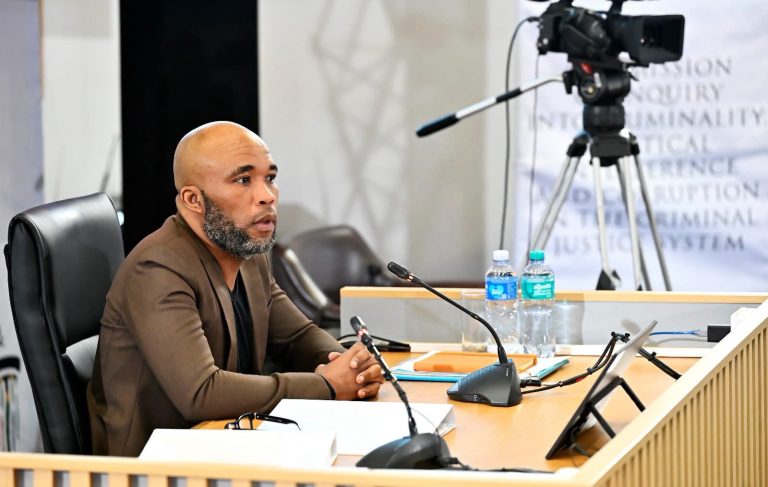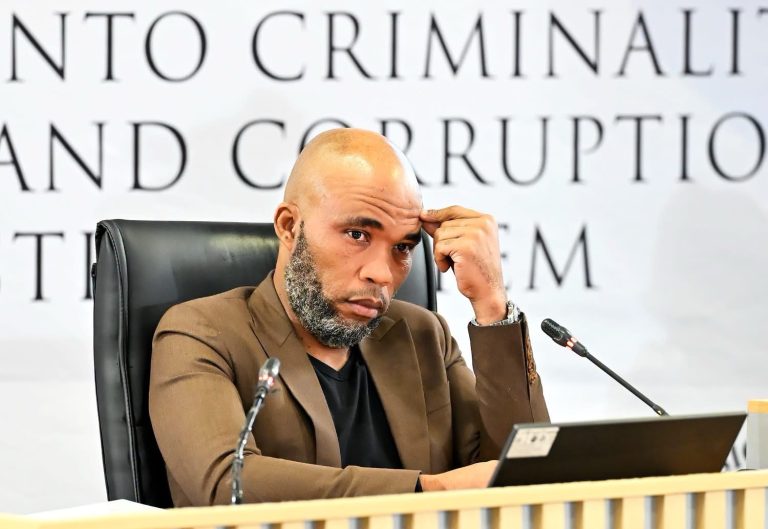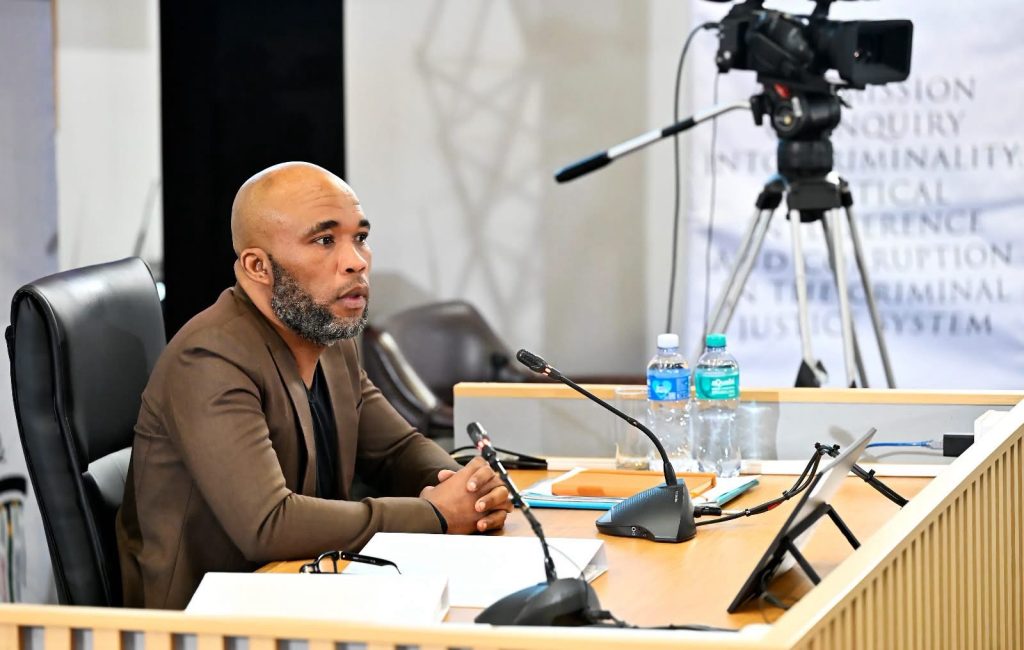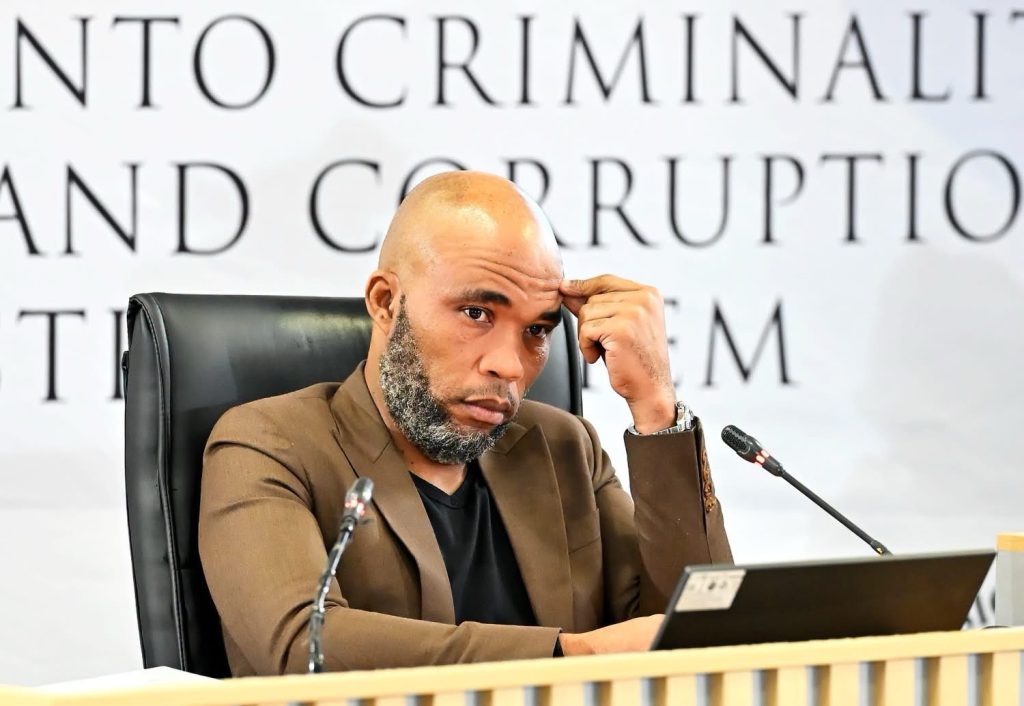
A dramatic recording allegedly linked to the case against suspended police general Shadrack Sibiya has come under scrutiny in court, with the defence objecting to the audio being played on ethical grounds.
The objection prompted a pointed question from the court: if the defence was concerned about what was contained in the recording, why was it asking for the audio not to be played?
In the recording, a man identified as Mr M allegedly claims that he secretly recorded and documented what he described as wrongdoing involving Sibiya and others.
Mr M allegedly says he had been recording conversations and events without those involved knowing.
He also makes a striking claim about the evidence he allegedly possesses — saying that even if he were killed, the evidence would remain safe because he had given material to someone else to keep.
“Even if they kill me, the evidence is safe.”
Mr M allegedly says he intended to reveal what he knew about people who had disappeared, as well as matters involving controversial businessman Vusimuzi “Cat” Matlala.
He further claims that he had recorded what he described as “everything” involving Sibiya.
The recording is said to be a conversation between Mr M and Sibiya’s wife.
The contents, however, remain allegations contained in an audio recording and have not been independently established. They should not be treated as proof that Sibiya or anyone else committed the alleged wrongdoing.
The dramatic exchange comes as Sibiya faces serious criminal charges and the State opposes his bail application. Prosecutors have previously raised concerns about possible interference with witnesses and relied on recordings as part of their case.
Sibiya denies the allegations against him.
The court will determine what evidential weight, if any, should be attached to the recording.