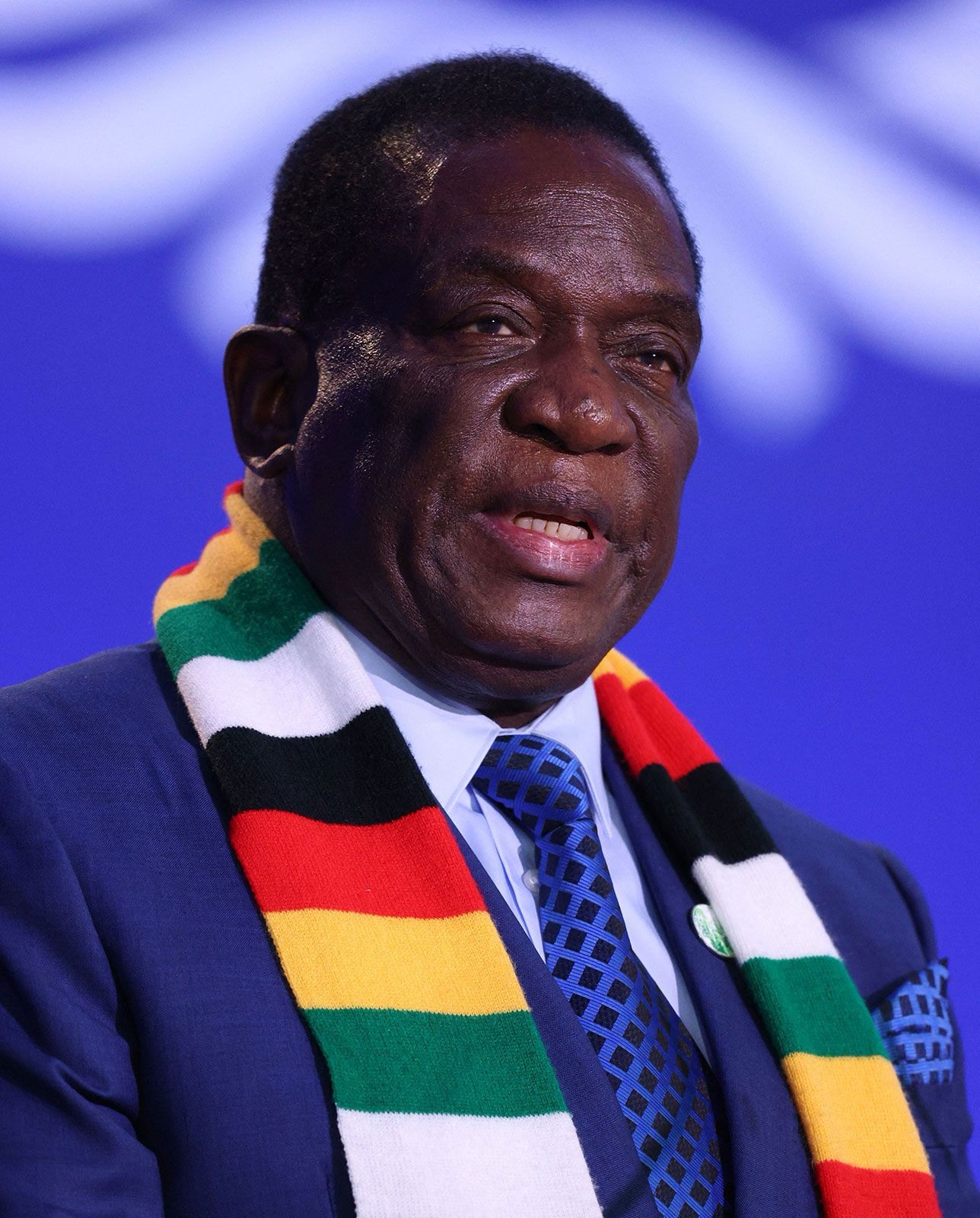
Zimbabwean President Emmerson Mnangagwa has signed into law controversial constitutional amendments that extend his current term in office by two years, allowing him to remain president until 2030. The changes increase presidential and parliamentary terms from five years to seven years, effectively postponing the next general elections by two years.
Mnangagwa, who is 83 years old, had previously stated that he would step down when his second and final term ended in 2028. However, the new constitutional amendments mean his current term will now run until 2030.
The amendments also introduce another significant change by abolishing direct presidential elections. Instead of Zimbabweans voting directly for a president, future presidents will be elected by Parliament, a move that has drawn criticism from opposition parties, civil society organisations and constitutional experts.
Critics have described the changes as a threat to Zimbabwe’s democracy, arguing that amendments of this nature should have been approved through a national referendum. Supporters of the legislation, however, say the reforms are intended to provide political stability and ensure continuity in government.
The legislation had already secured the required two-thirds majority in both houses of Parliament before being signed into law by Mnangagwa.